These countries are home to three-quarters of the world’s population and account for more than 40 percent of global output. Yet many have stalled in the middle-income trap. Conventional economic theory predicts they should be converging with the world’s richest economies. Instead, progress has slowed or reversed. This is the middle-income trap.
The Growth Academy connects the world’s leading researchers with policymakers to examine how sustained productivity growth, institutional reform, and innovation can help countries overcome the middle-income trap.
World Bank, World Development Report 2024: The Middle-Income Trap.
Real GDP per capita in constant 2015 US dollars, log scale. World Bank, World Development Indicators. Hover or drag across the chart to move through the years.
South Korea ends roughly seventeen times richer than Ghana, two countries that started side by side.
0+
policymakers, scholars, and senior government officials have attended the Growth Academy since 2024.
0
countries have sent representatives, ranging from Algeria to Vietnam.
0+
faculty and speakers, including five Nobel laureates, the World Bank's Chief Economist, and other leading experts in economic growth.
0
continents: Africa, Asia, Europe, North America, and South America.
0
World Development Reports the Growth Academy has contributed to: The Middle-Income Trap (2024) and AI for Development (2026).
From cohort to cohort, the network continues to grow.
Experts & Leadership
Taught by the scholars and policymakers defining the future of growth.
Co-directors
Professor Ufuk Akcigit of the University of Chicago, lead academic of the 2024 World Development Report, and Dr. Somik V. Lall of the World Bank, who directed it.
Recent faculty include Collège de France, INSEADPioneer of Schumpeterian growth theory. Nobel laureate, 2025., StanfordEconomics of technology, marketplaces, and machine learning., World BankDevelopment economist; co-coined the term “middle-income trap.”, YaleTrade and development economist; former World Bank Chief Economist., University of ChicagoEnergy and environmental economist; directs the Energy Policy Institute (EPIC)., University of ChicagoEconometrician of macro-finance. Nobel laureate, 2013., University of ChicagoLabor economist known for microeconometrics and human capital. Nobel laureate, 2000., University of ChicagoStudies misallocation, firms, and economic growth., University of ChicagoDevelopment economist and field-experiment pioneer. Nobel laureate, 2019., Harvard Business SchoolEconomics of venture capital, private equity, and innovation., University of ChicagoPioneer of field experiments in economics., and NorthwesternEconomic historian of technology and long-run growth. Nobel laureate, 2025., alongside the World Bank’s chief economists for every region.
An intensive program for those guiding economic policy and growth.
The Growth Academy works with think tanks and policy research institutes in emerging and developing economies, the organizations their governments turn to for independent analysis of growth. Around them, each cohort gathers senior practitioners from ministries of finance and planning, central banks, and regulatory authorities in the same economies. Together they create a forum where frontier research and economic policy analysis inform one another.
Participants share two defining characteristics: responsibility for the analysis behind economic policy and the ability to put new evidence to work. What unites the room is the capacity to engage with frontier research and carry it back into the questions their own institutions are asking.
The method
The World Development Report begins a conversation. The Growth Academy extends it.
Research changes policy most effectively when it is debated, questioned, and refined by the people responsible for putting it into practice. Each year, the Academy brings together the authors of the World Development Report with think tank researchers, policymakers, central bankers, development economists, and other senior practitioners from the countries confronting the middle-income trap. Over two weeks of intensive discussion, participants test new evidence against institutional realities, challenge assumptions, and explore how frontier research can inform practical decision-making.
The Academy is designed as a cumulative process rather than a one-time event. Each cohort builds on the questions, insights, and experiences of those that came before it, creating an ongoing dialogue between researchers and policymakers. In turn, the conversations generated by the Academy enrich future cohorts and help shape the continuing evolution of the research itself.
The result is a continuous exchange between frontier economics and the practice of economic policy.
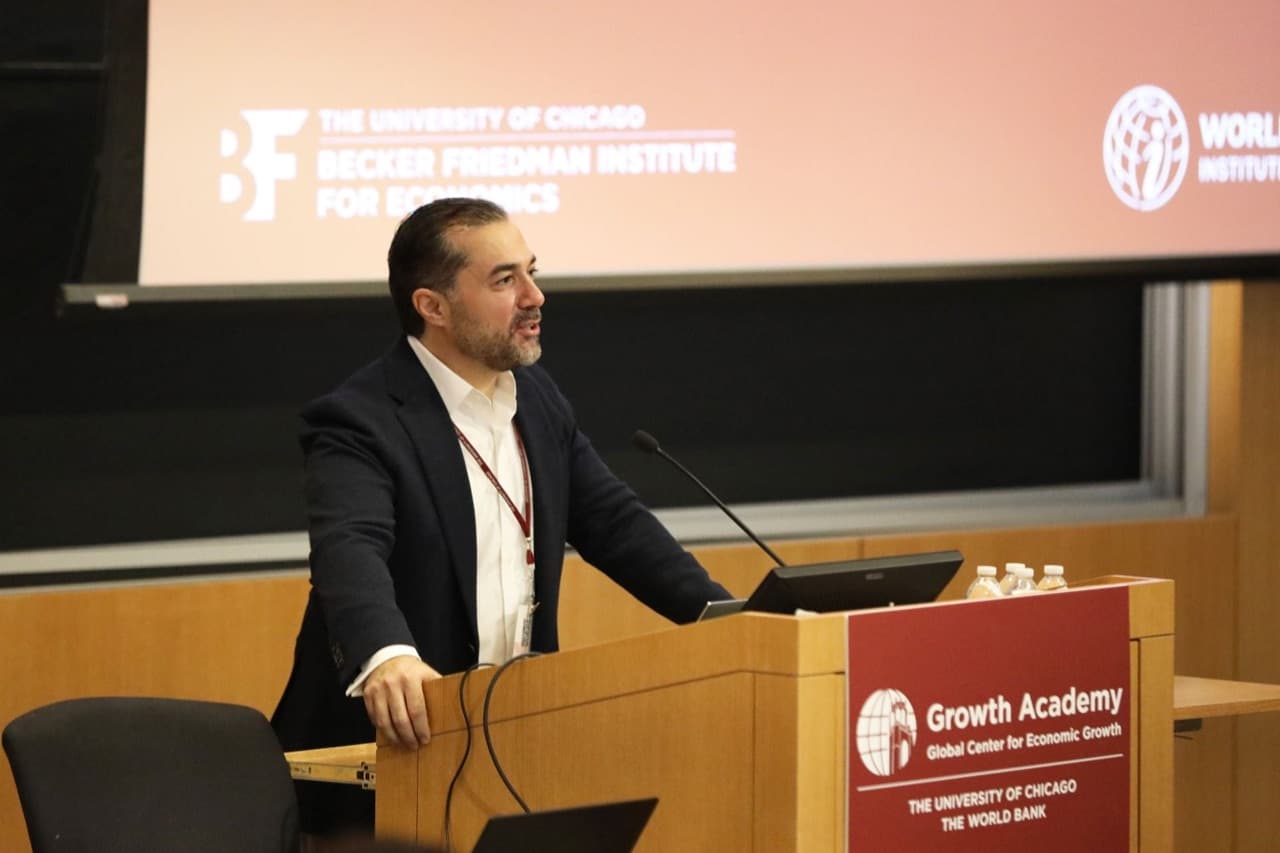
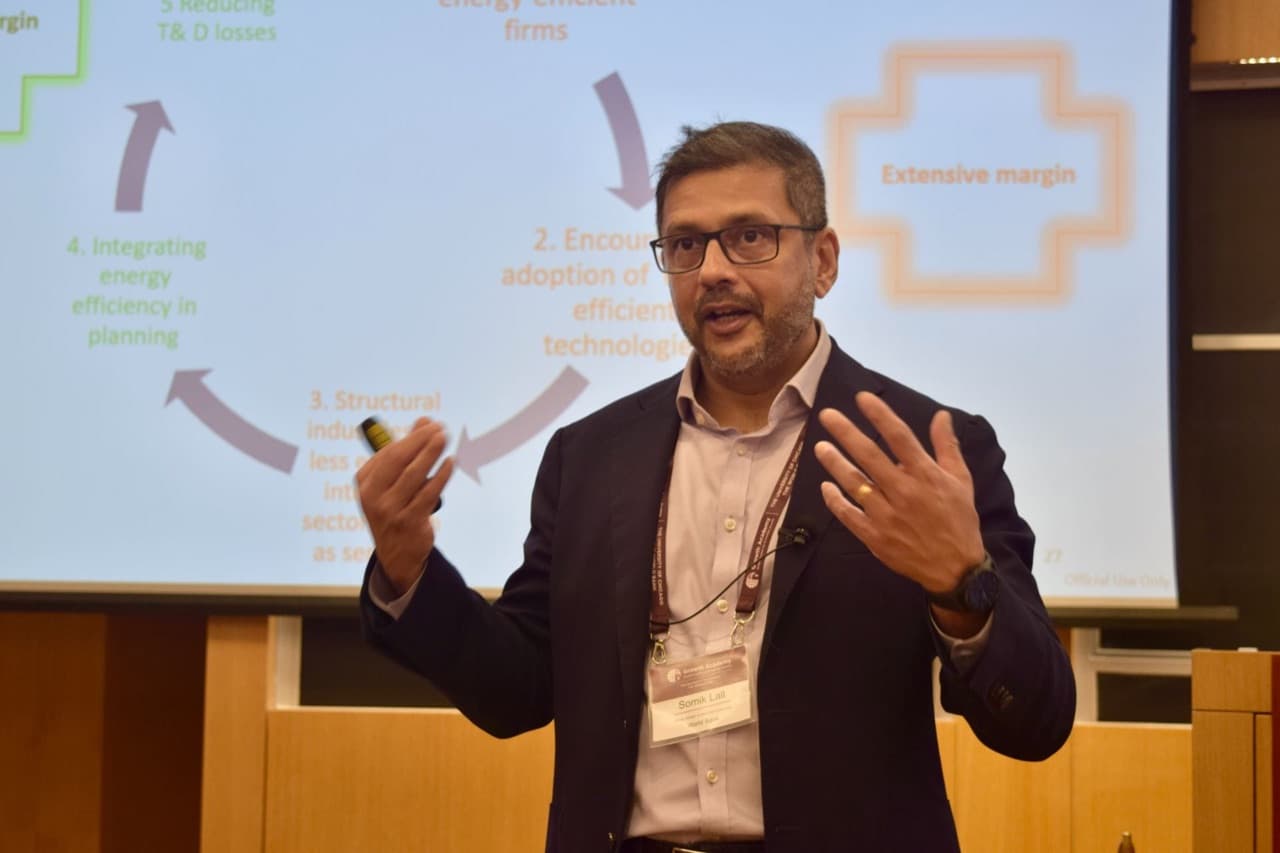
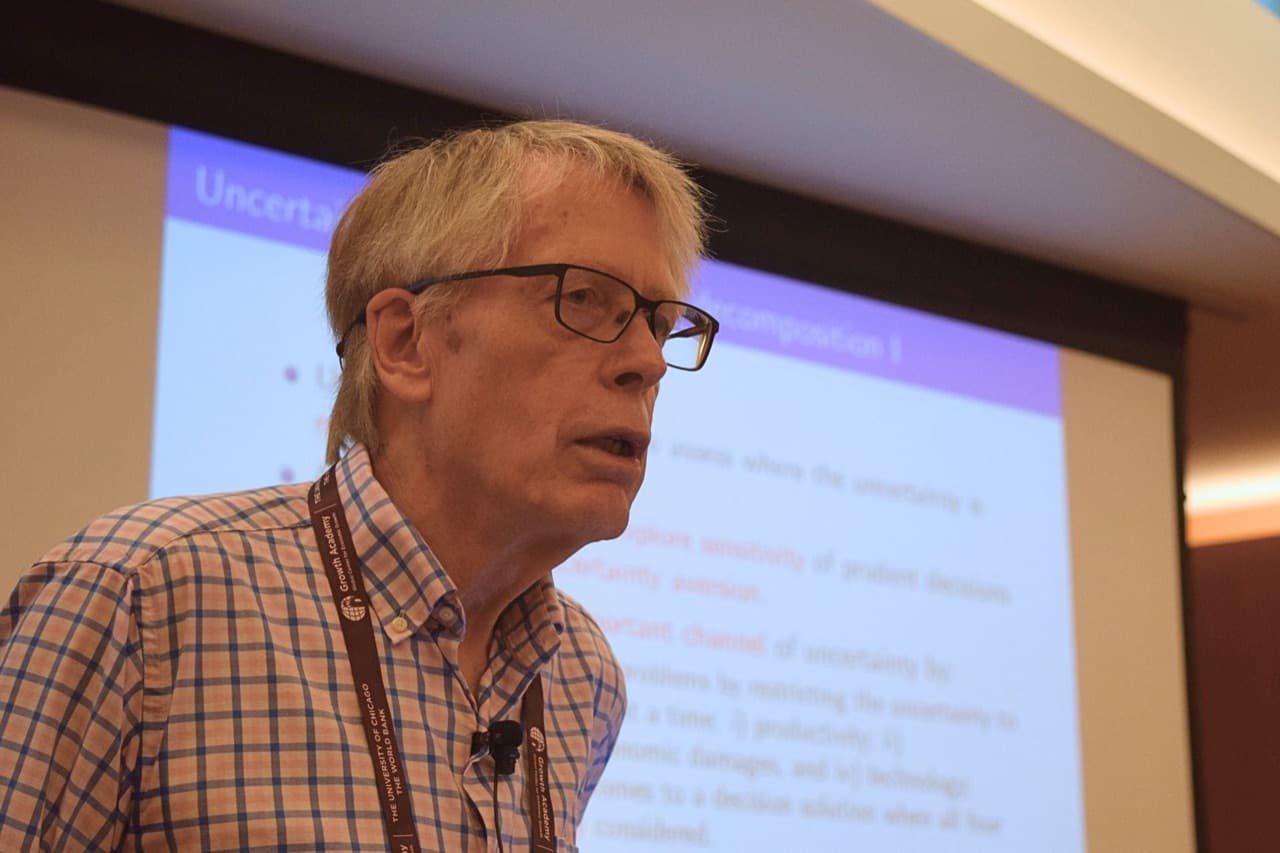
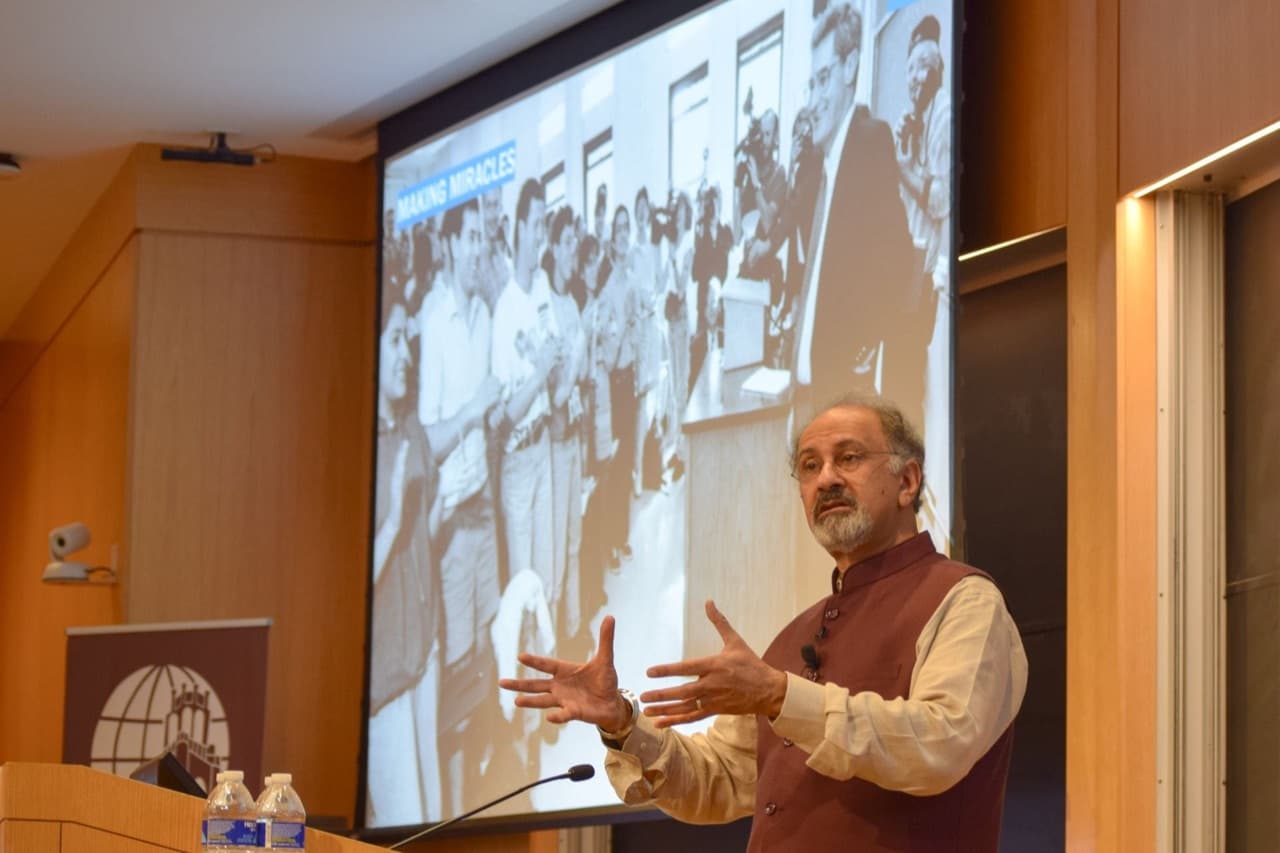
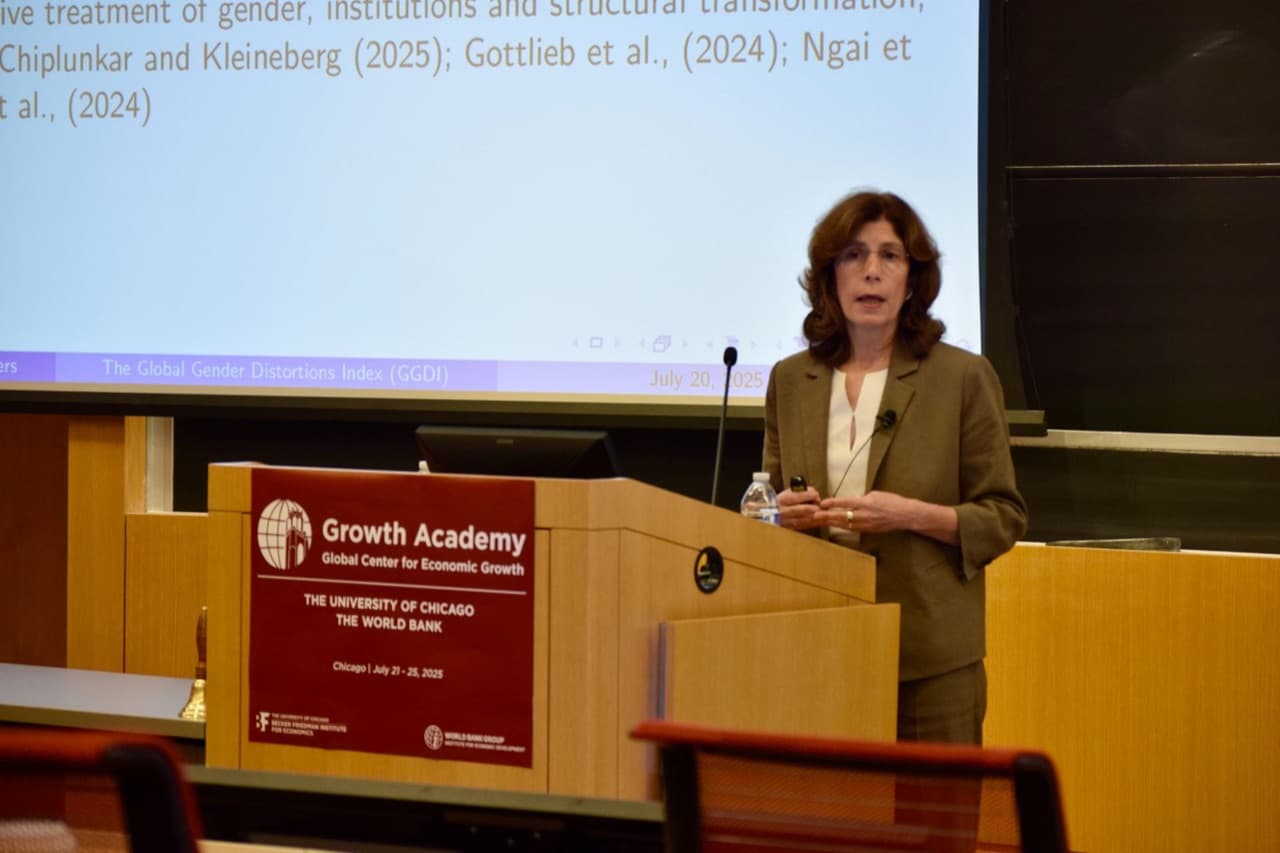
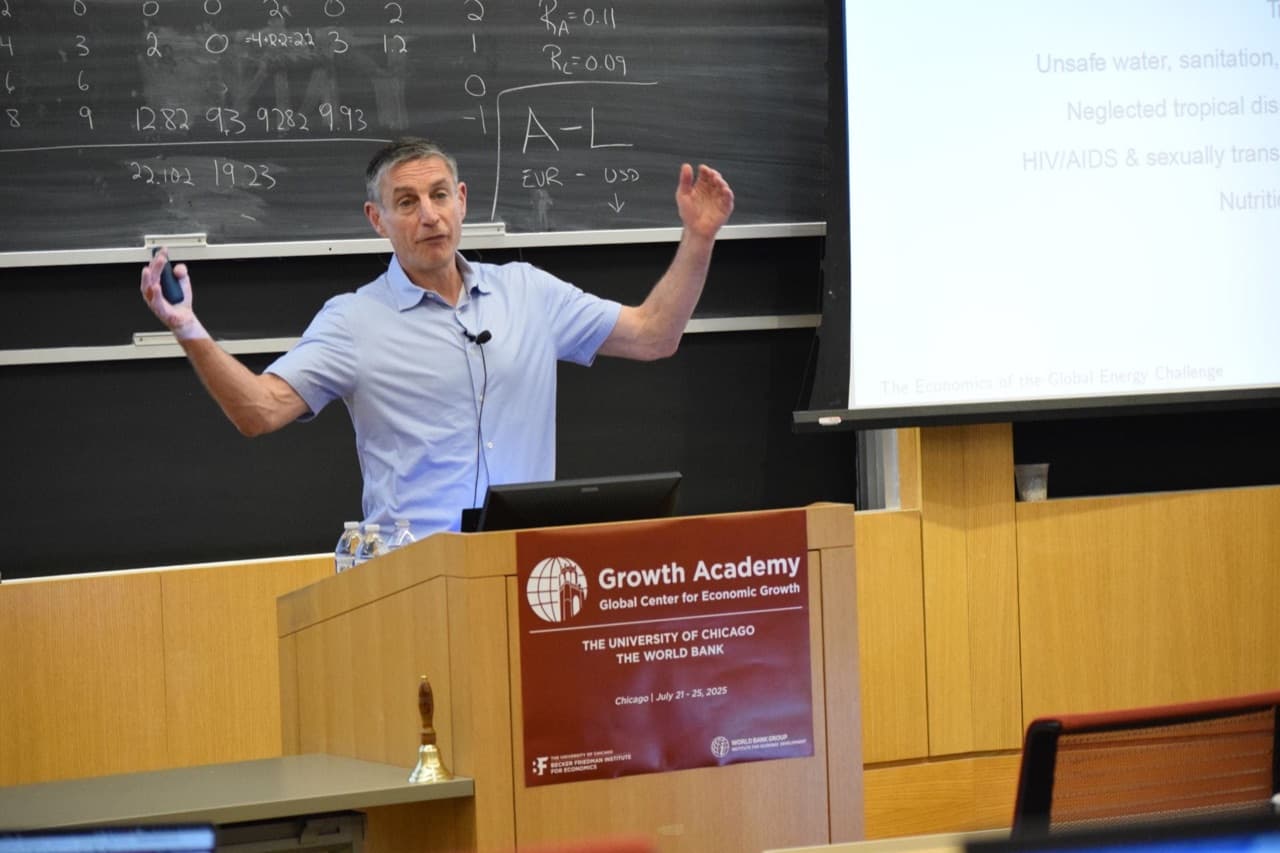
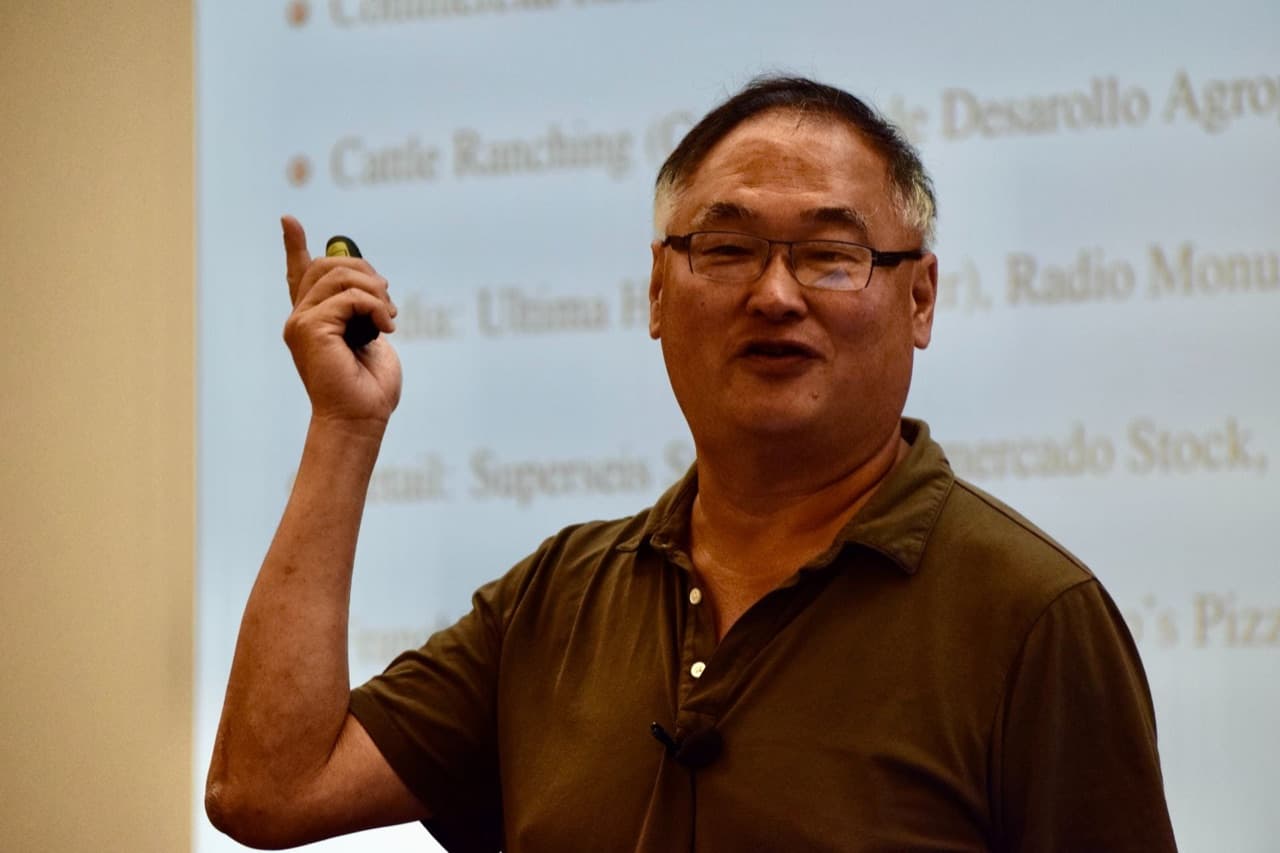
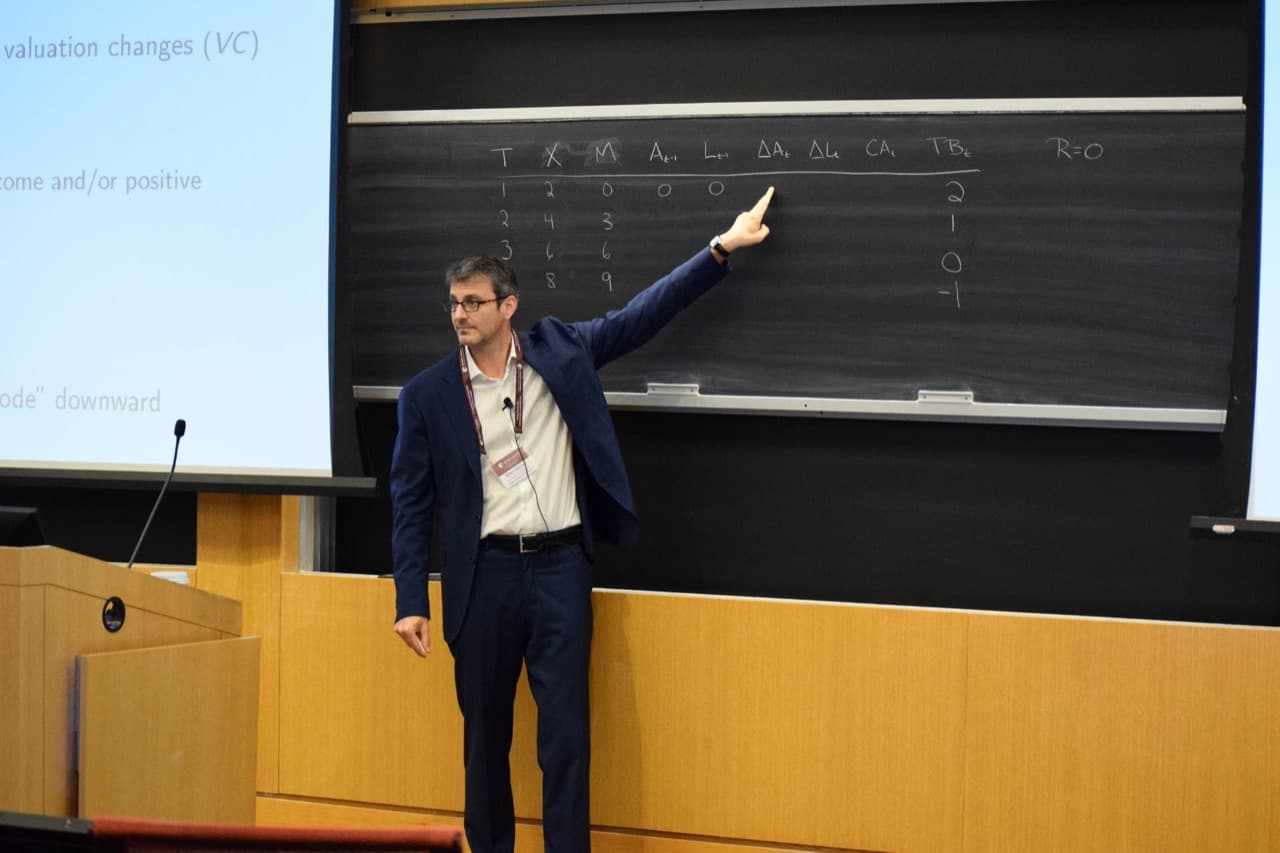
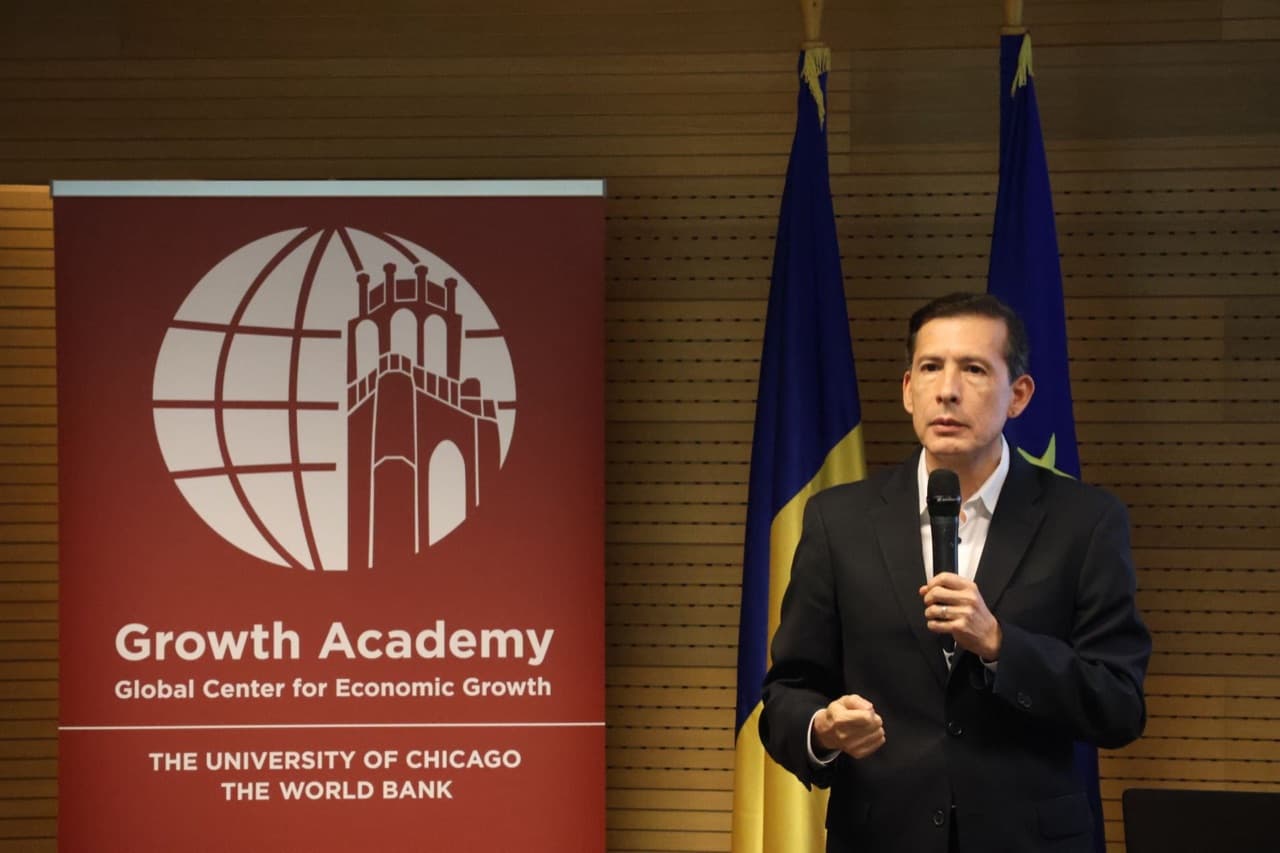
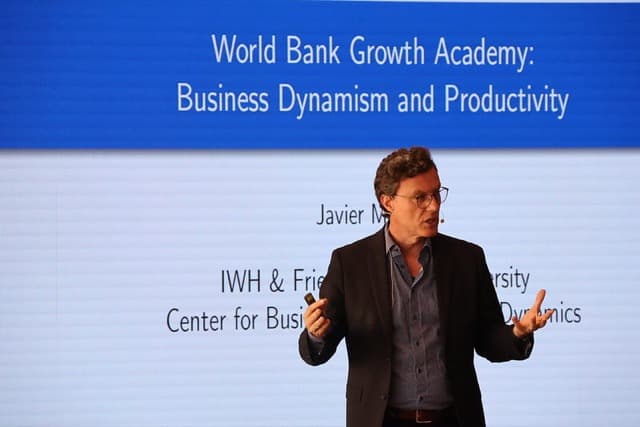
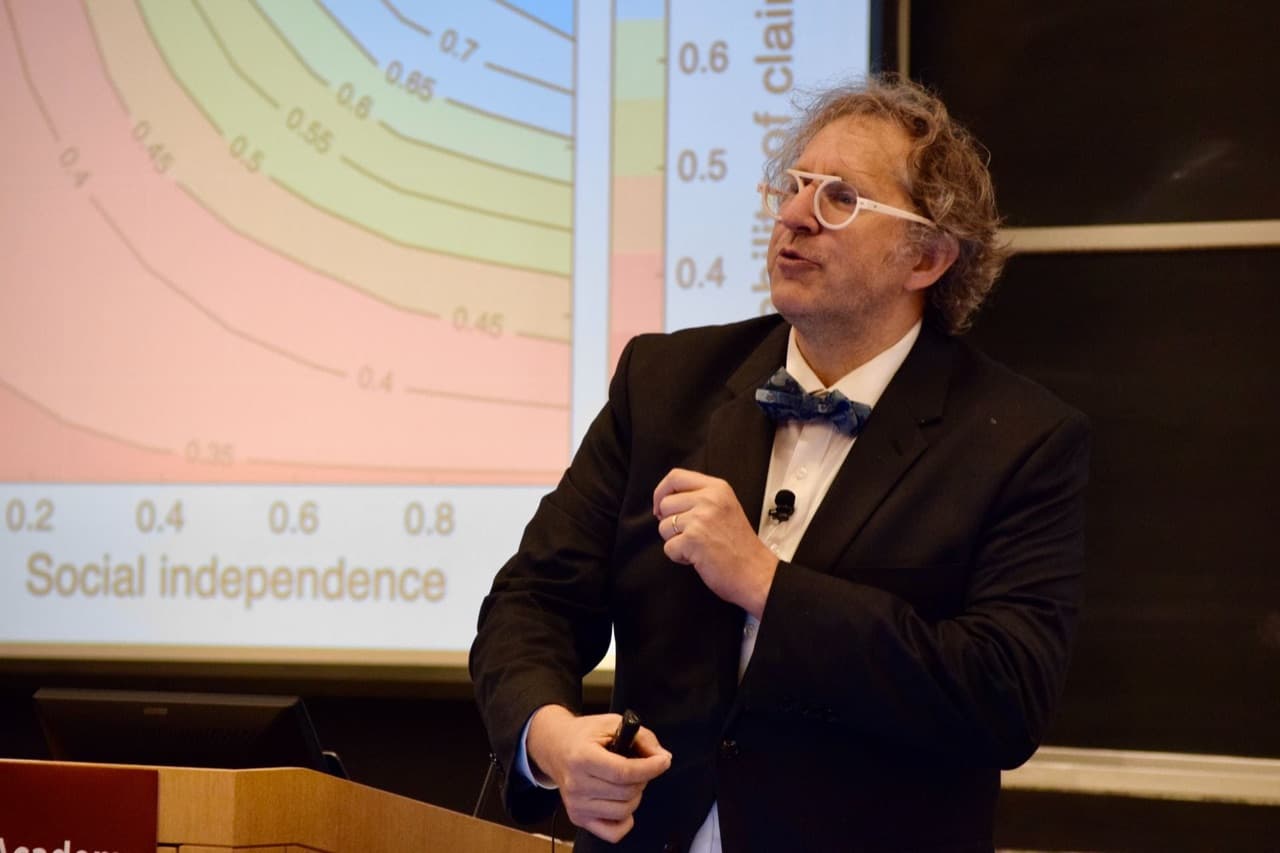
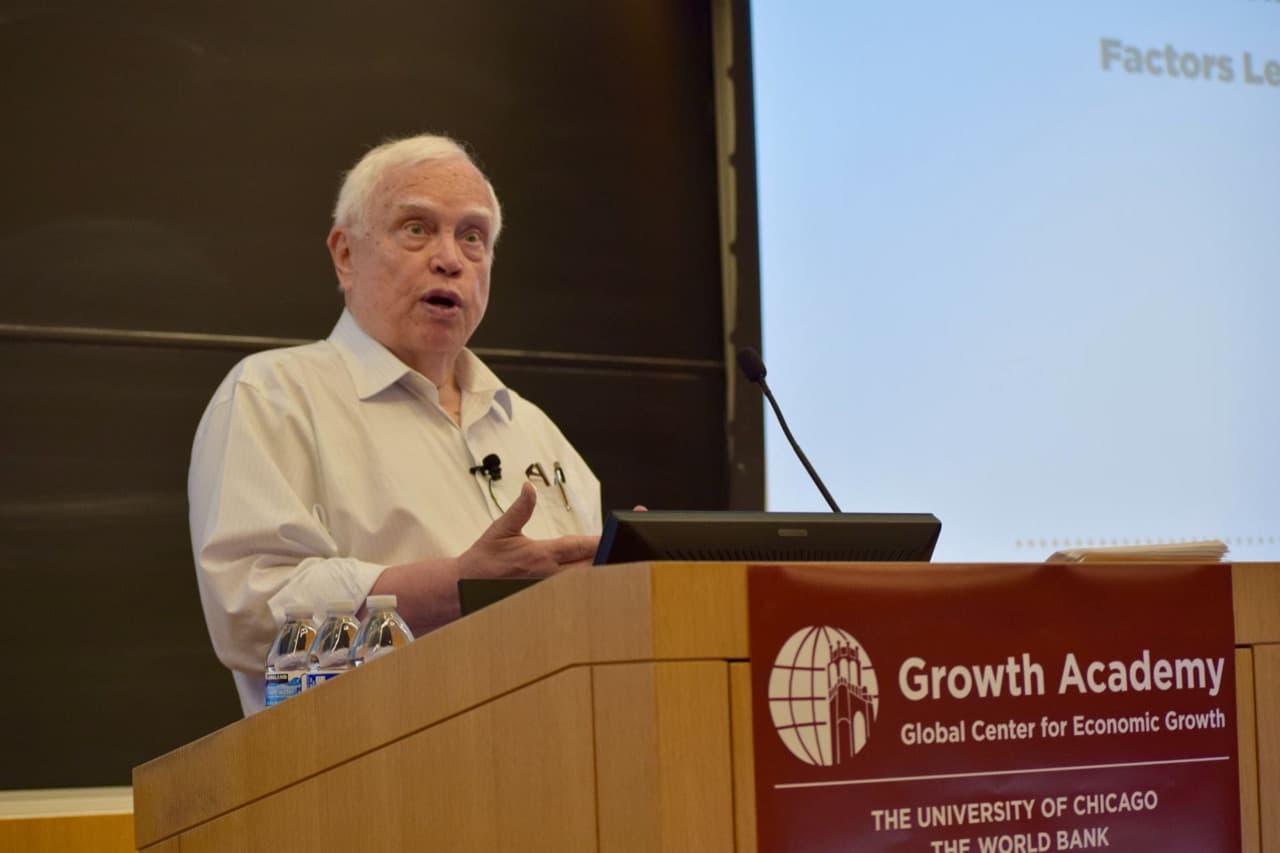
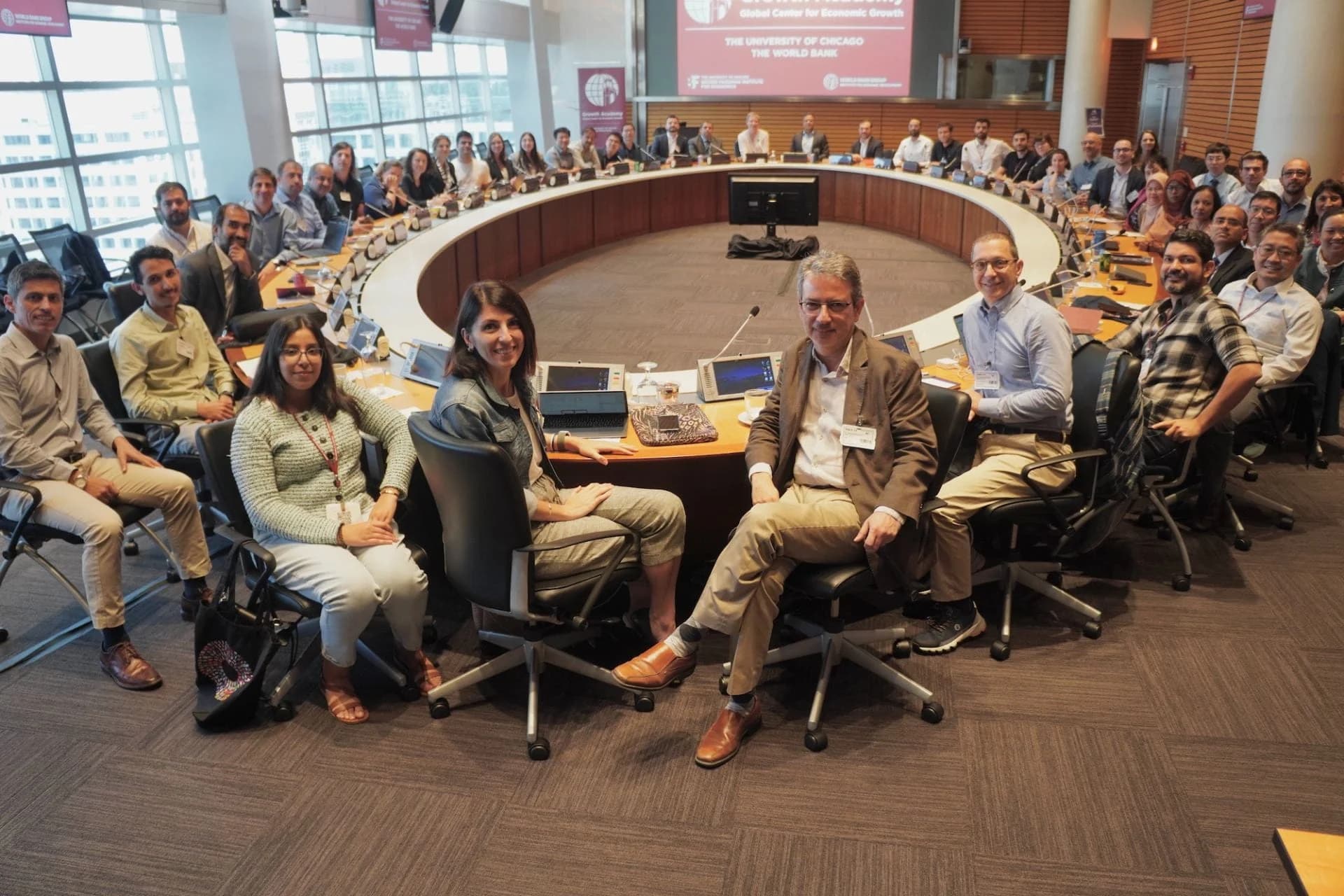
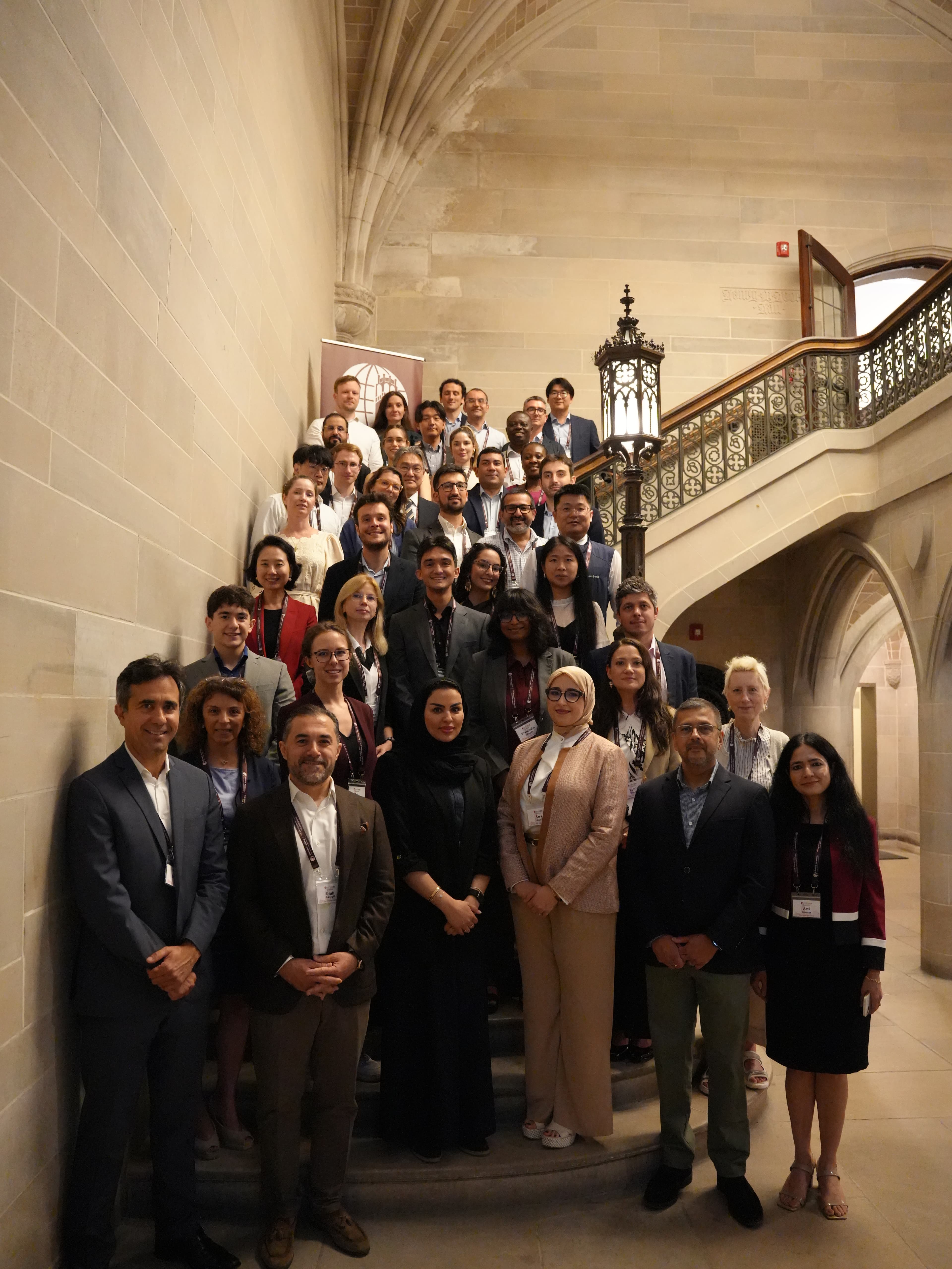
Growth Academy 2024 · World Bank Group, Washington
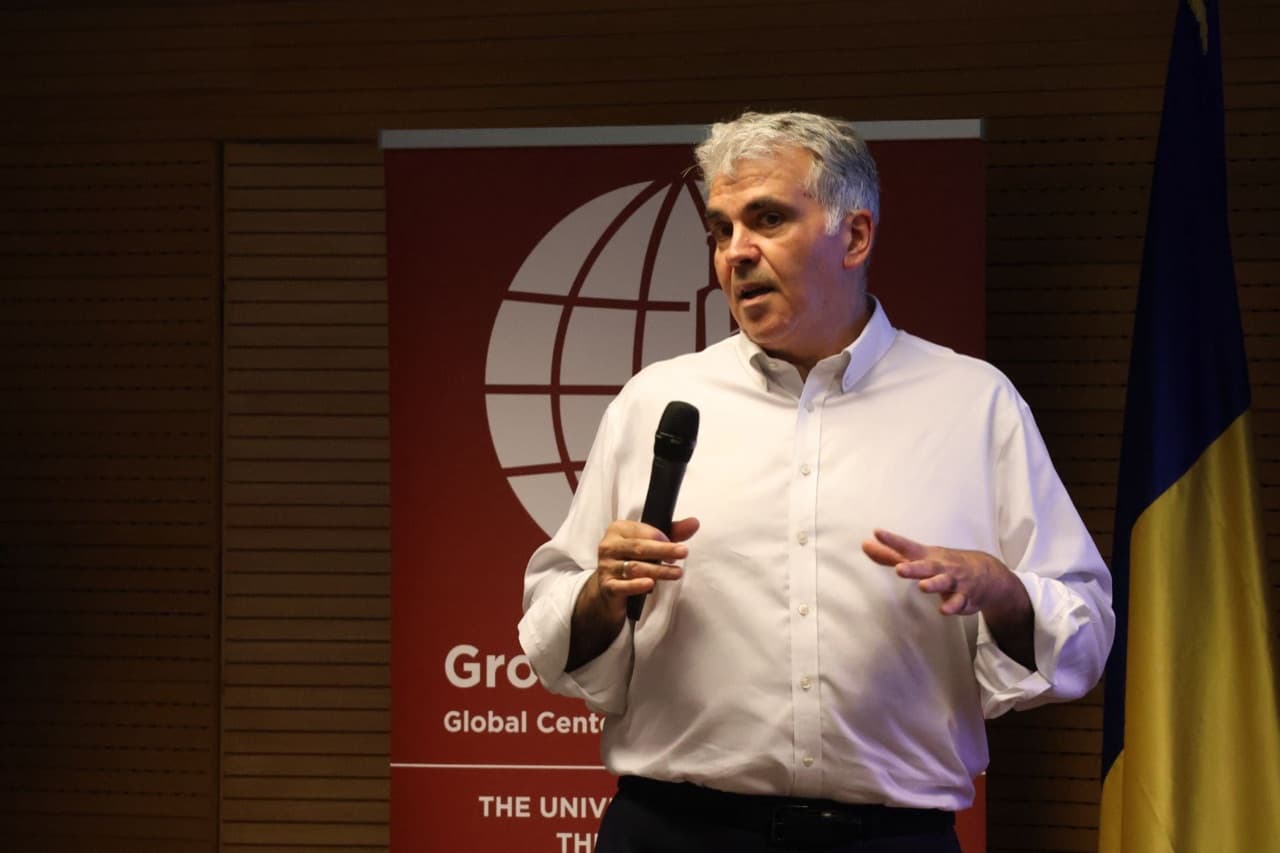
“We have to think about every economy like a human body. Whenever we have a problem in our body, we go to the doctor, and the doctor asks for a blood sample, runs the MRI, runs the X-rays. We have to do the same. You need to first collect reliable data, you need to know how to process the data with well-trained people, and then you need to come up with recommendations. Every country has its own problems, and you cannot look at somebody else’s blood sample and try to come up with the solution for anybody else’s headache.”
Ufuk Akcigit, on the Academy's method.
“When we were working on the World Development Report 2024, which focused on the growth challenges facing emerging economies and the so-called ‘middle-income trap,’ we made a deliberate decision. We wanted to work closely with think tanks across emerging economies to take the global lessons from the Report and translate them into each country’s unique circumstances. That commitment to bridging global knowledge with local policy challenges is exactly the spirit of the Growth Academy.”
Somik Lall, on the Academy's origins.
The format
One curriculum. Two world-class institutions.
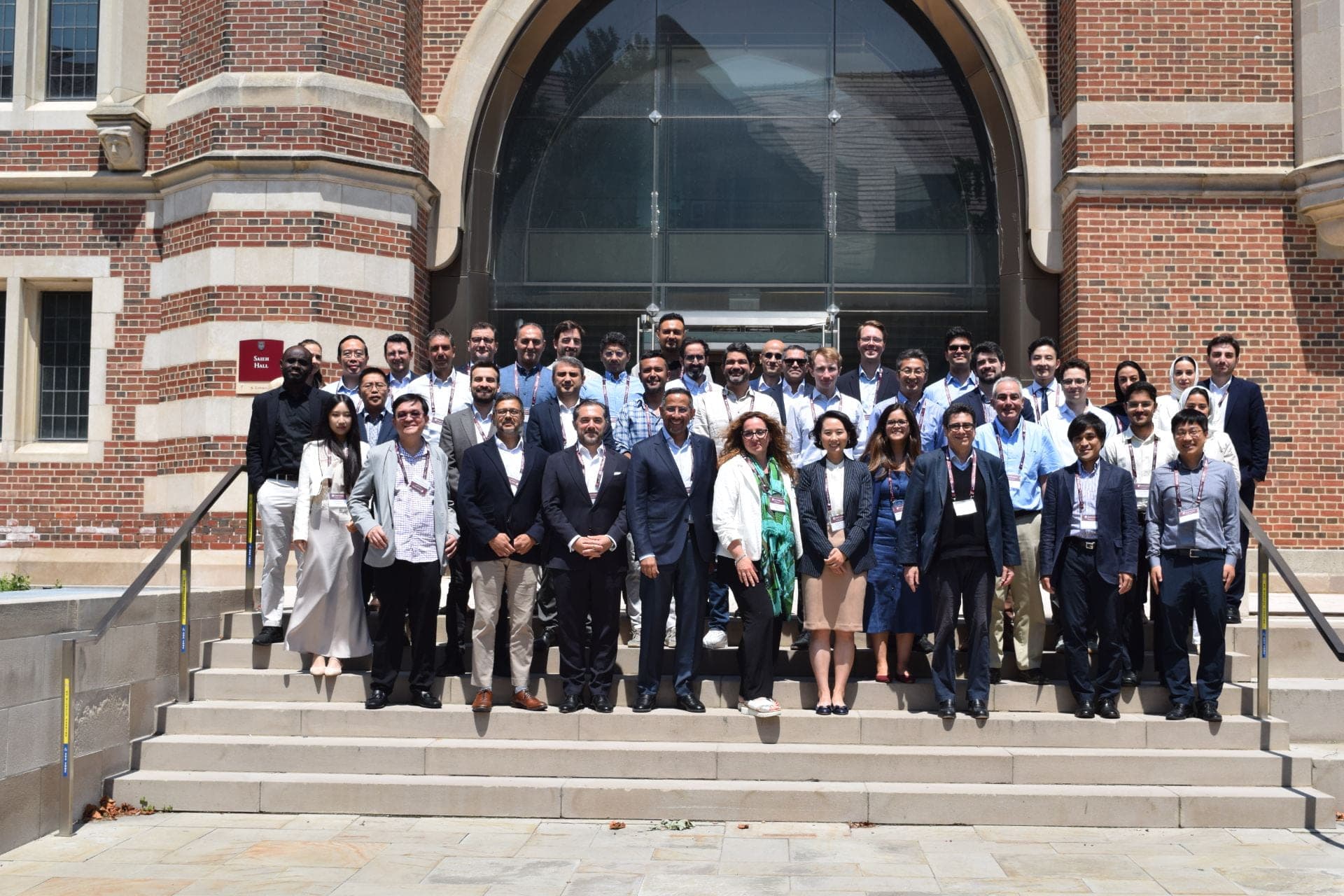
The Chicago Summer Academy is the flagship program. Week one takes place at the University of Chicago and week two at World Bank Group headquarters in Washington. Regional editions condense the core curriculum into three- to five-day programs while incorporating research and policy discussions tailored to local priorities.
Week one
UChicago, Becker Friedman Institute
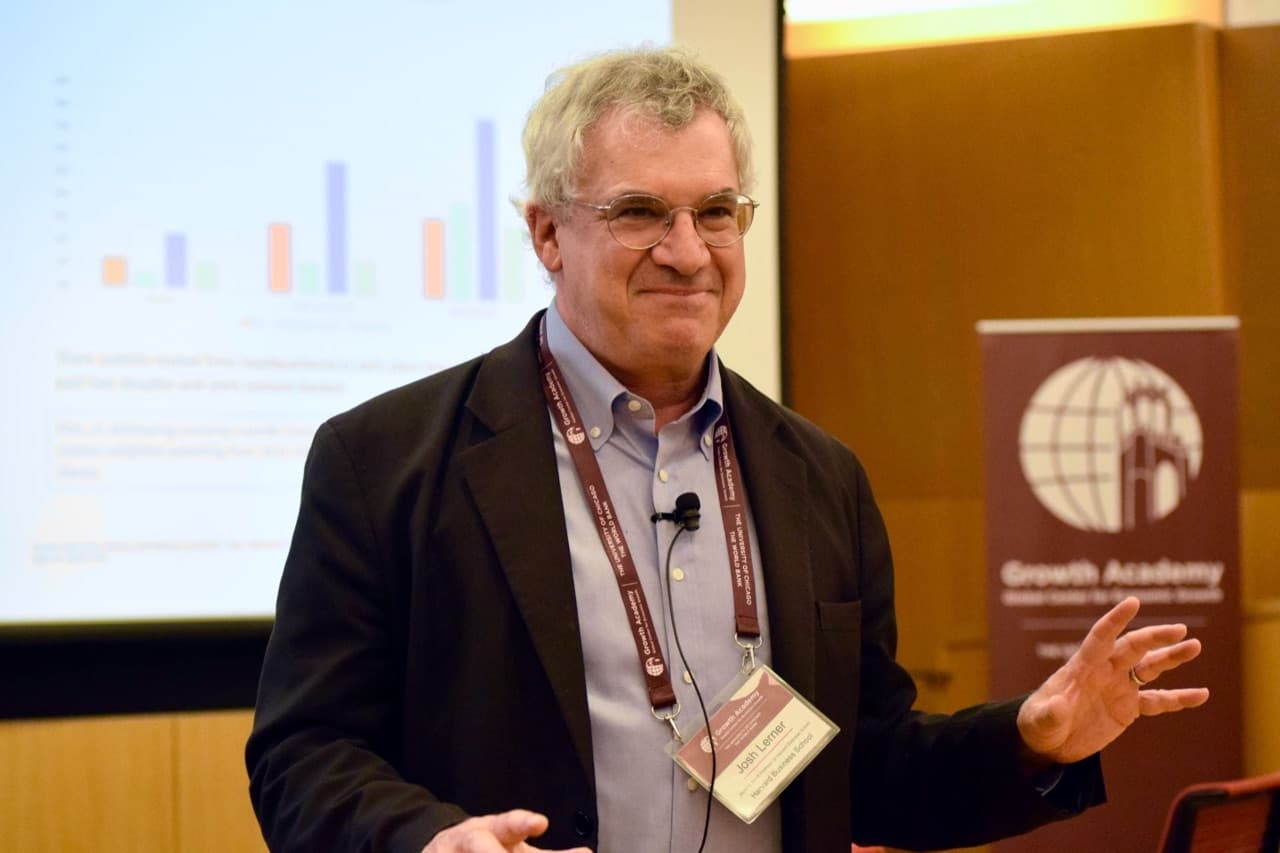
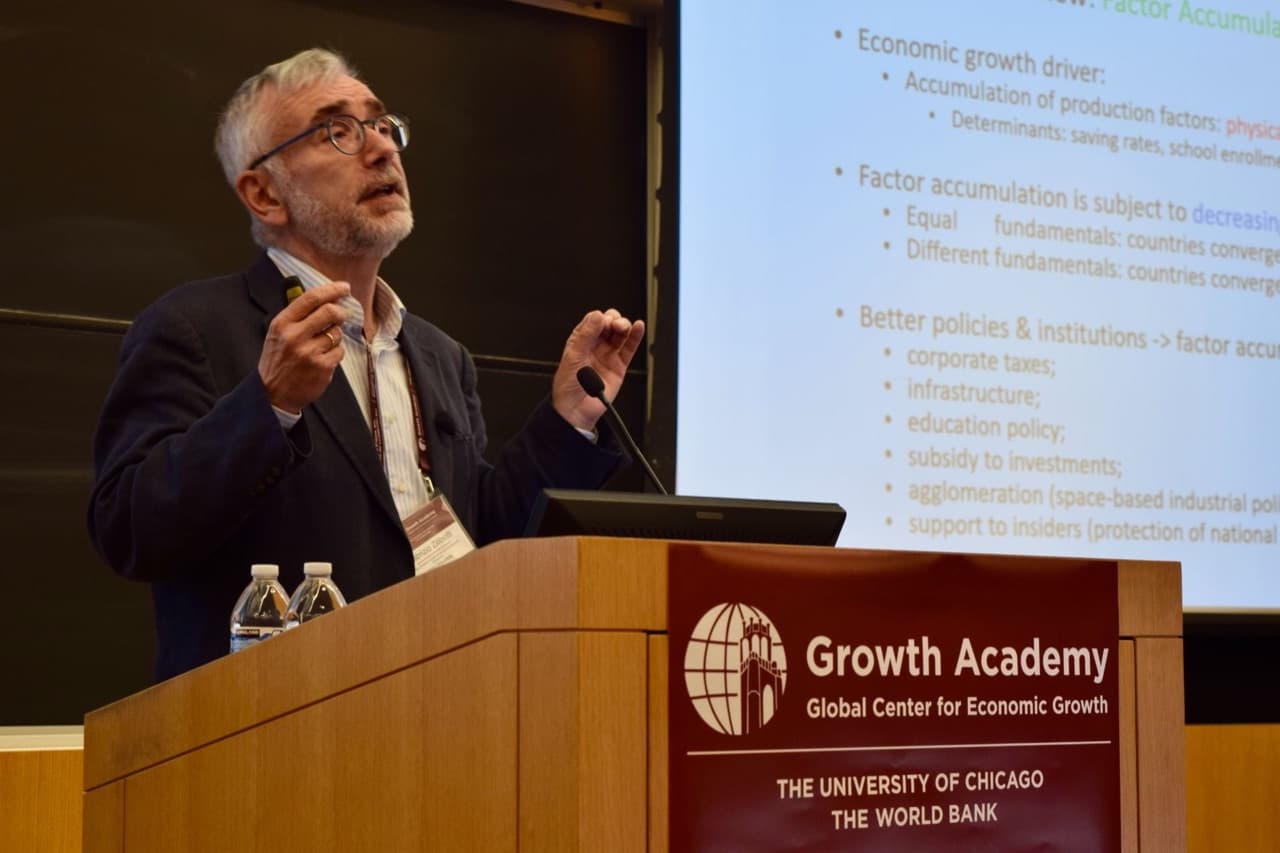
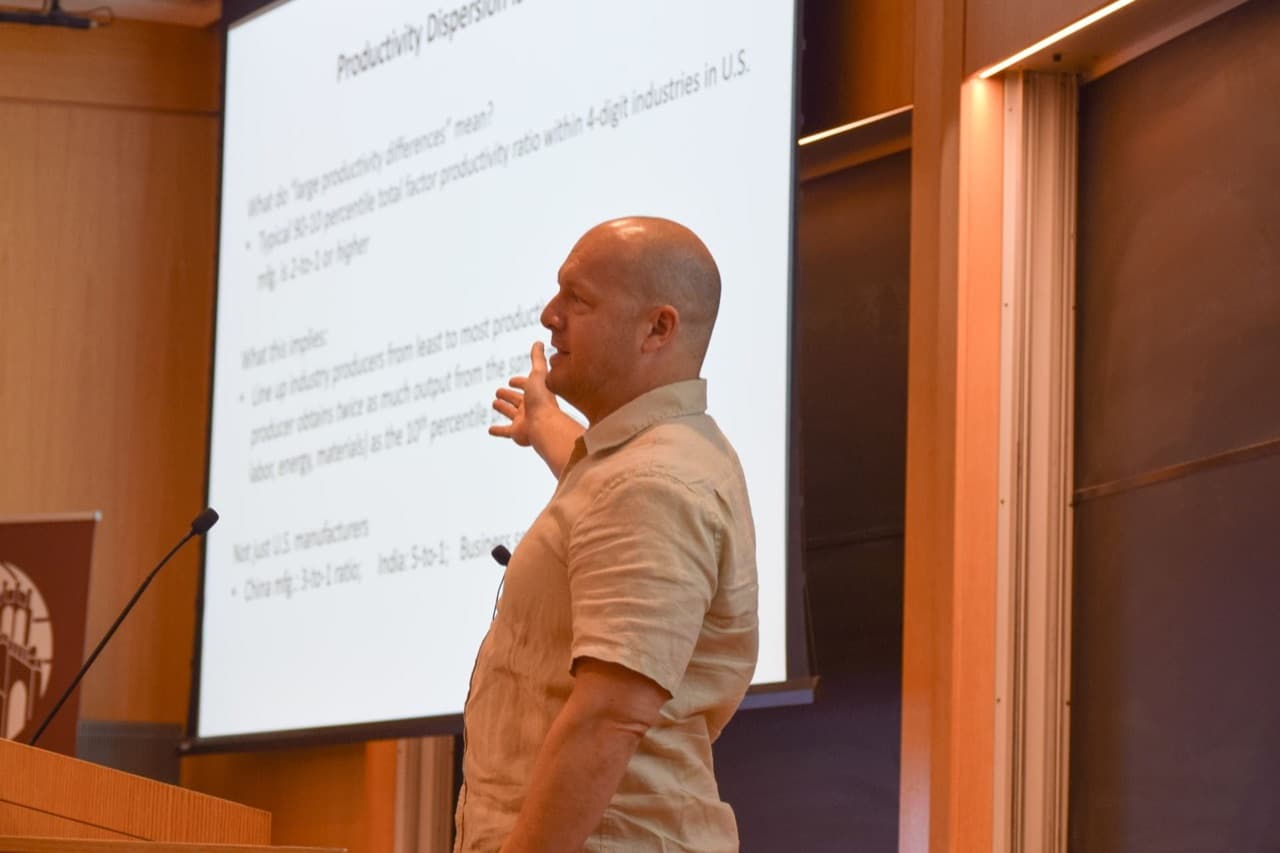
Faculty from the University of Chicago and leading universities, including Stanford, Yale, Harvard, Northwestern, and Collège de France, introduce the latest evidence on economic growth. Participants form country teams and begin diagnosing their economies.
Week two
World Bank Group, Washington D.C.
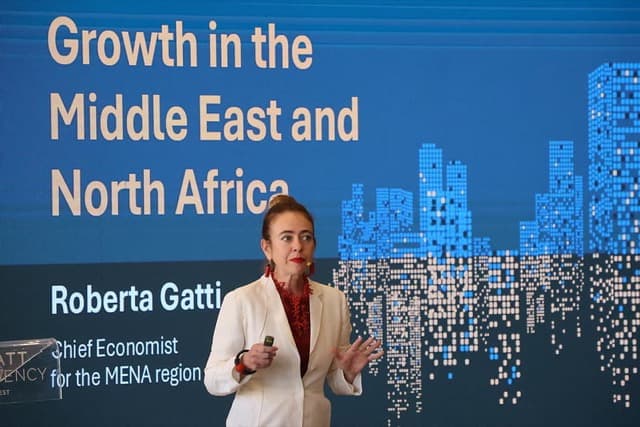
Participants work with World Bank Chief Economists, Regional Vice Presidents, and the teams behind the World Development Report to translate evidence into practical strategies for growth.
Country teams
From diagnosis to strategy
Participants work throughout both weeks in multidisciplinary country teams. By the end of the second week, each team presents a research-based growth diagnosis and a policy strategy tailored to its economy, for immediate feedback and implementation.
Regional editions
Adapting the model
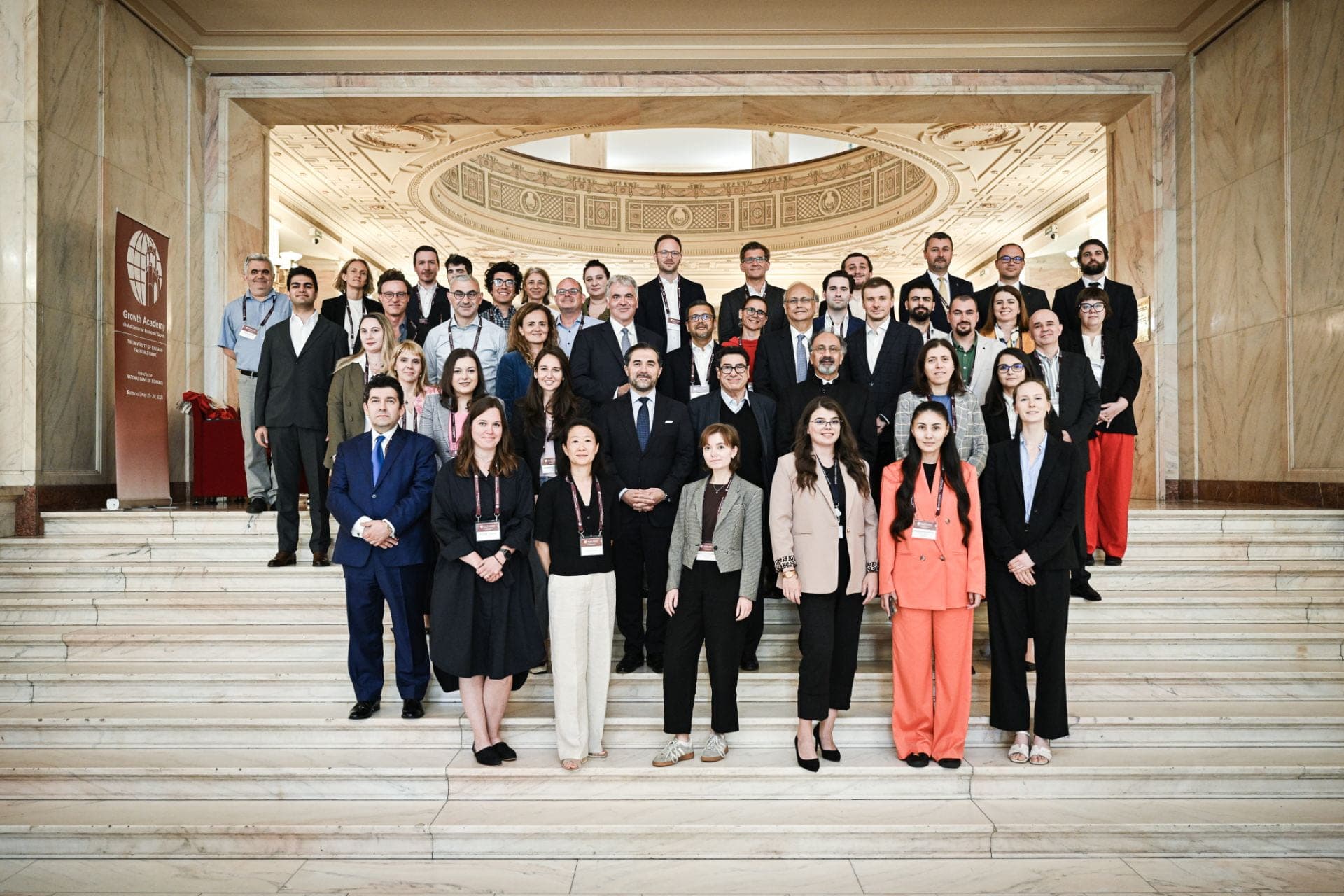
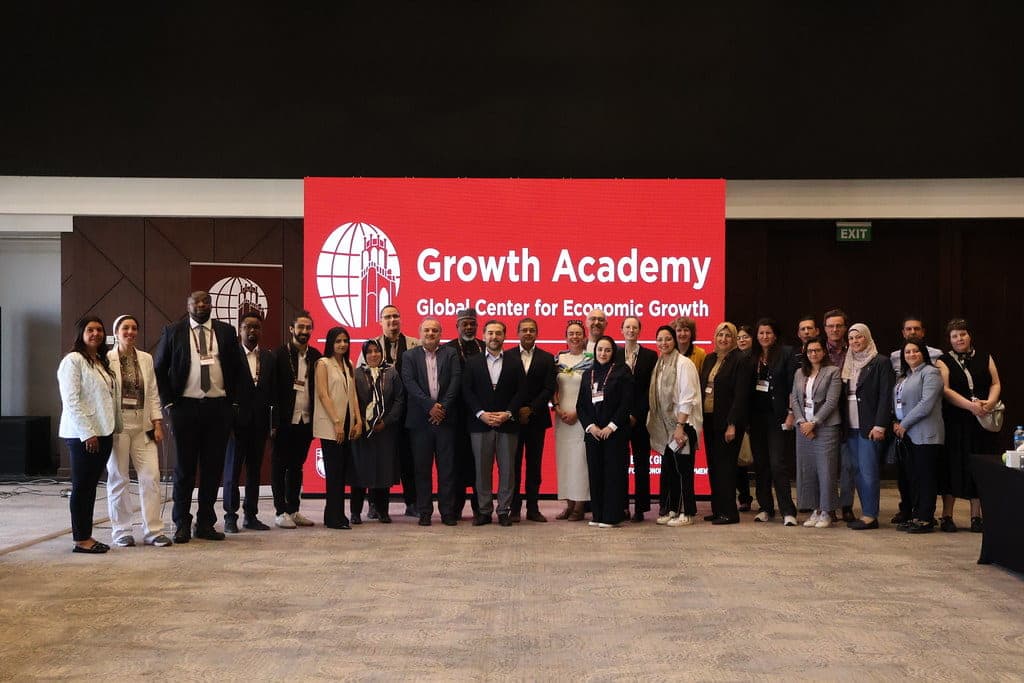
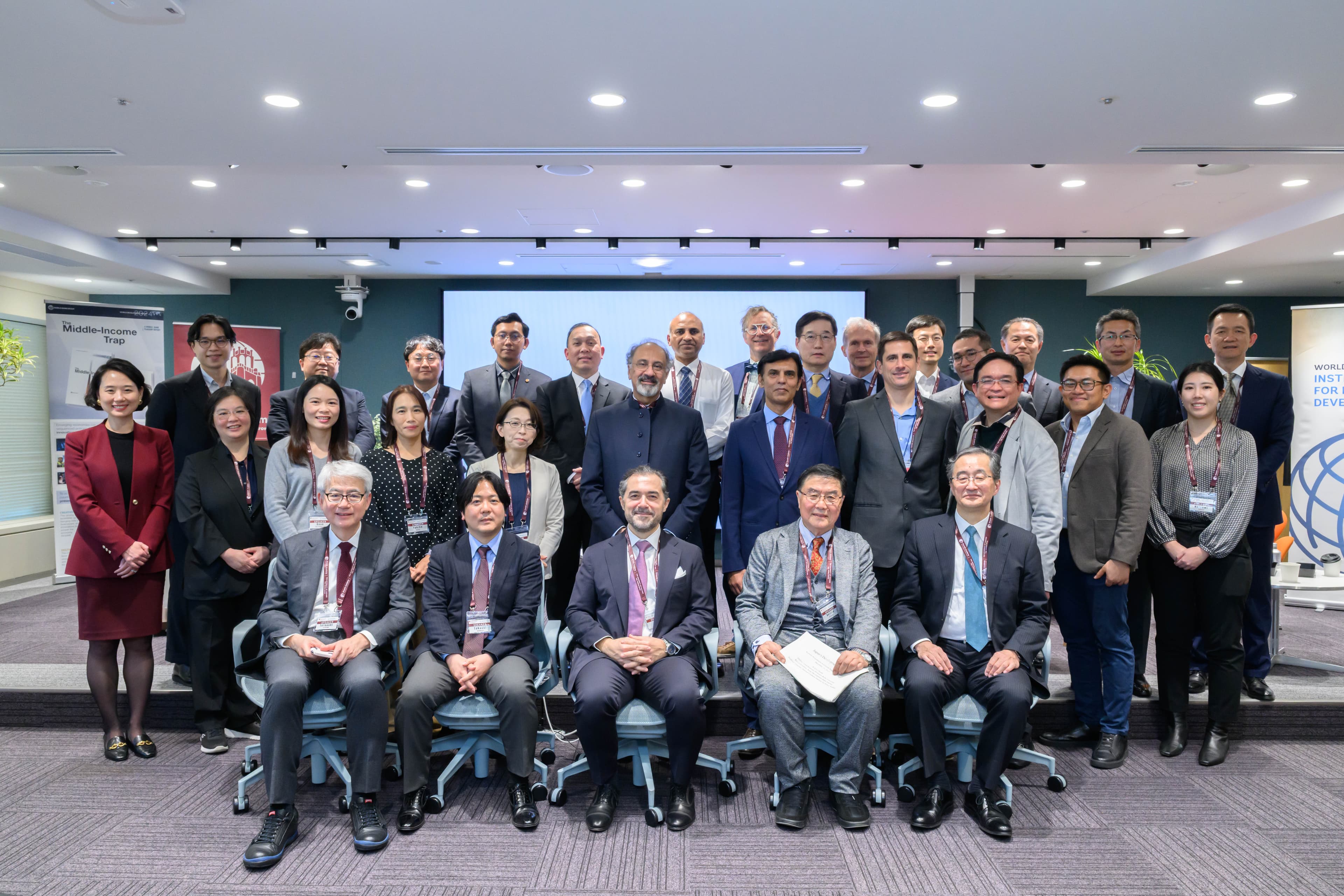
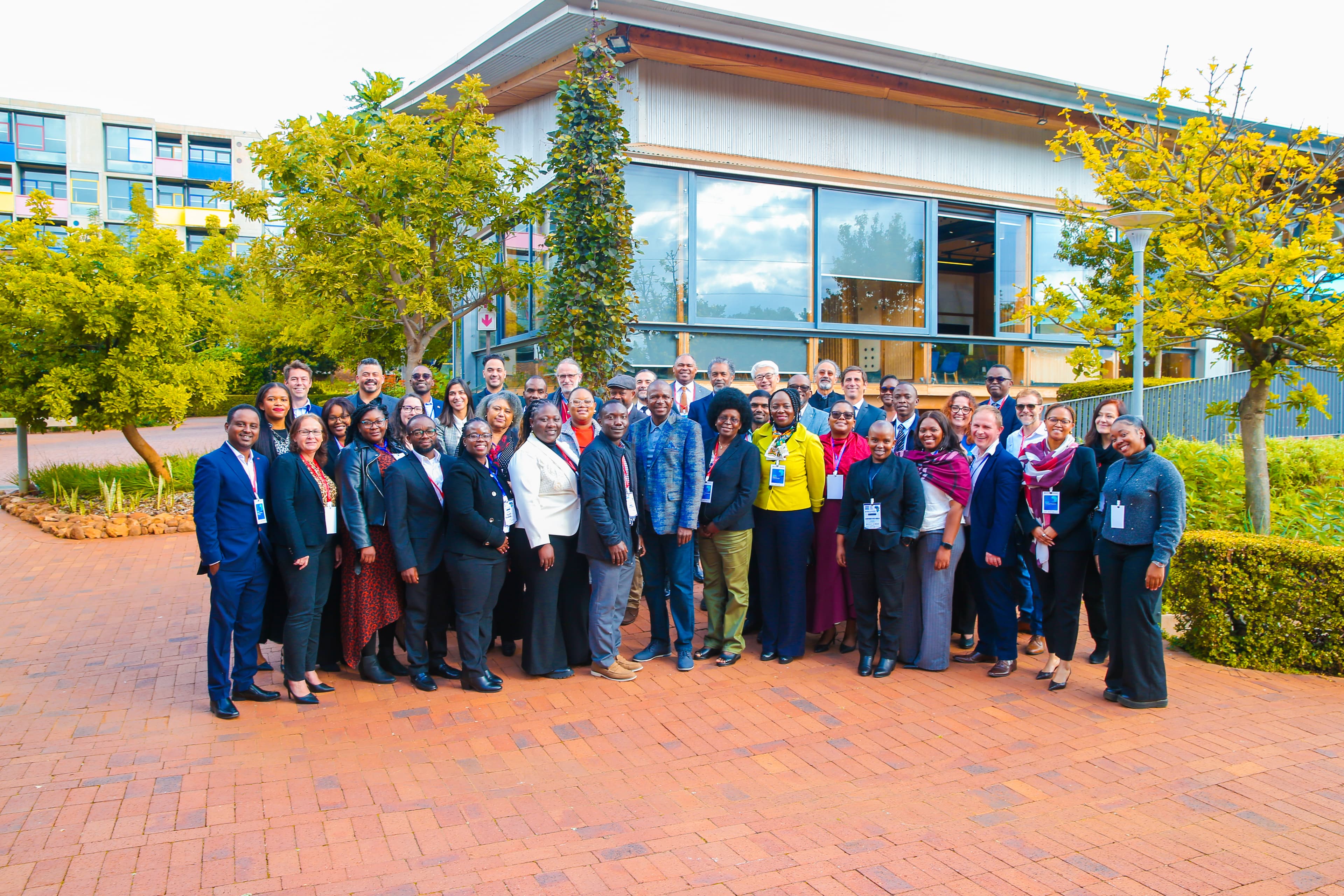
The Growth Academy does not end in Chicago. Regional editions carry its ideas into the places where growth policy is made, combining the core curriculum with research and discussion focused on the host region’s most pressing economic challenges. Past locations include Bucharest, Cairo, and Tokyo.
The Growth Academy is featured in the Kenneth C. Griffin Department of Economics Newsletter.
The Growth Academy is featured in the 2024 to 2025 Kenneth C. Griffin Department of Economics newsletter at the University of Chicago. Read it page-by-page, or open the full PDF.
The World Development Reports, read at the source.
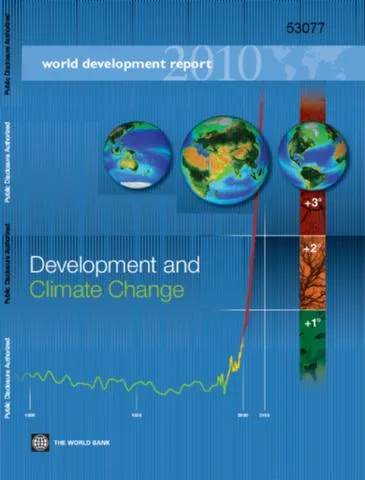
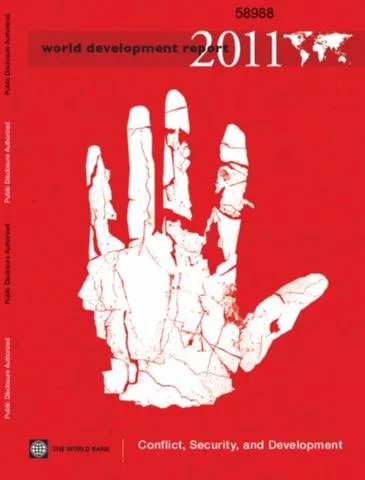
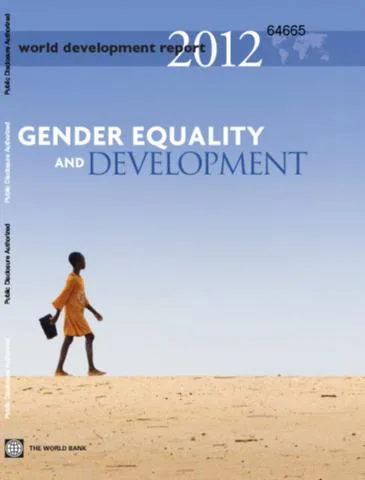
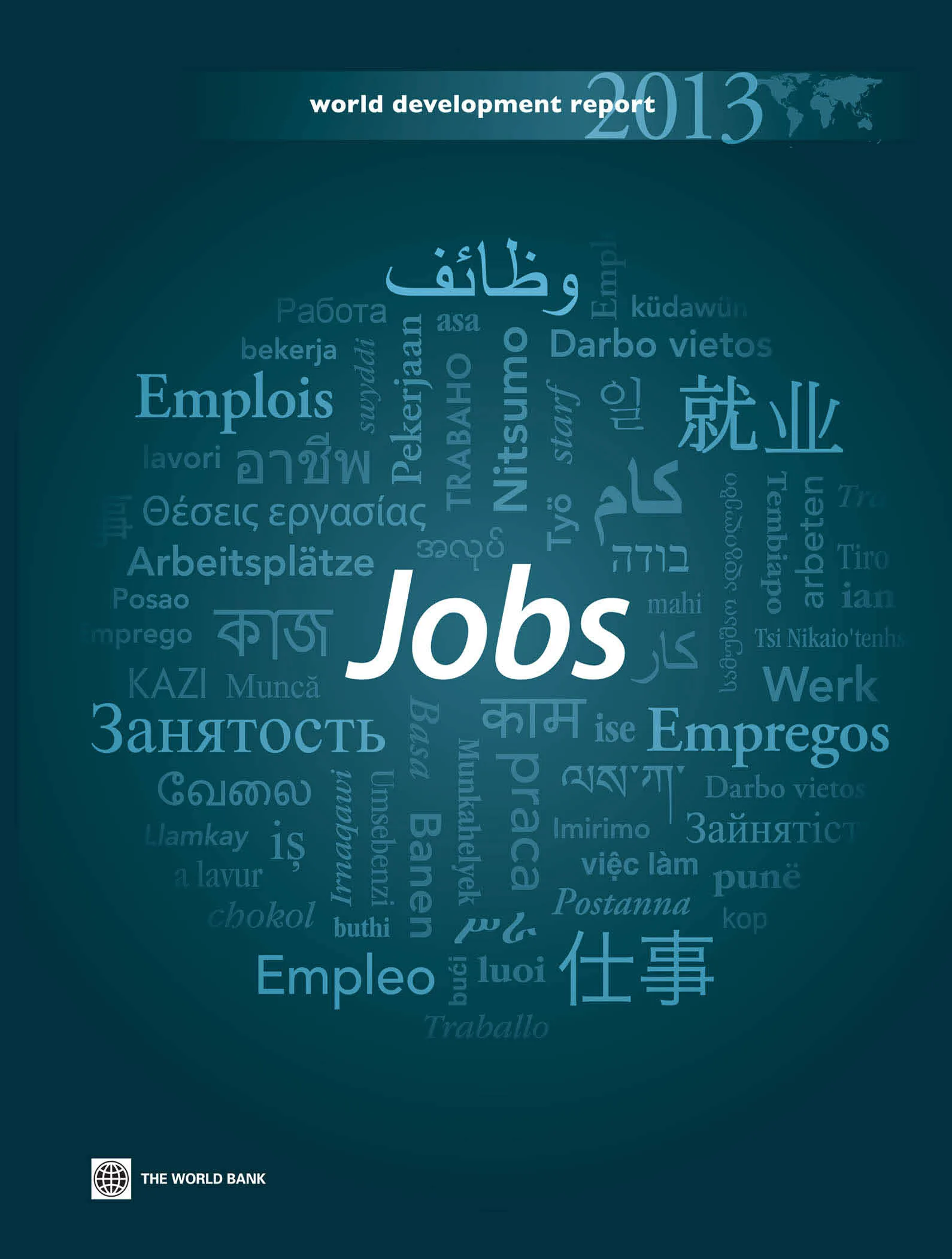
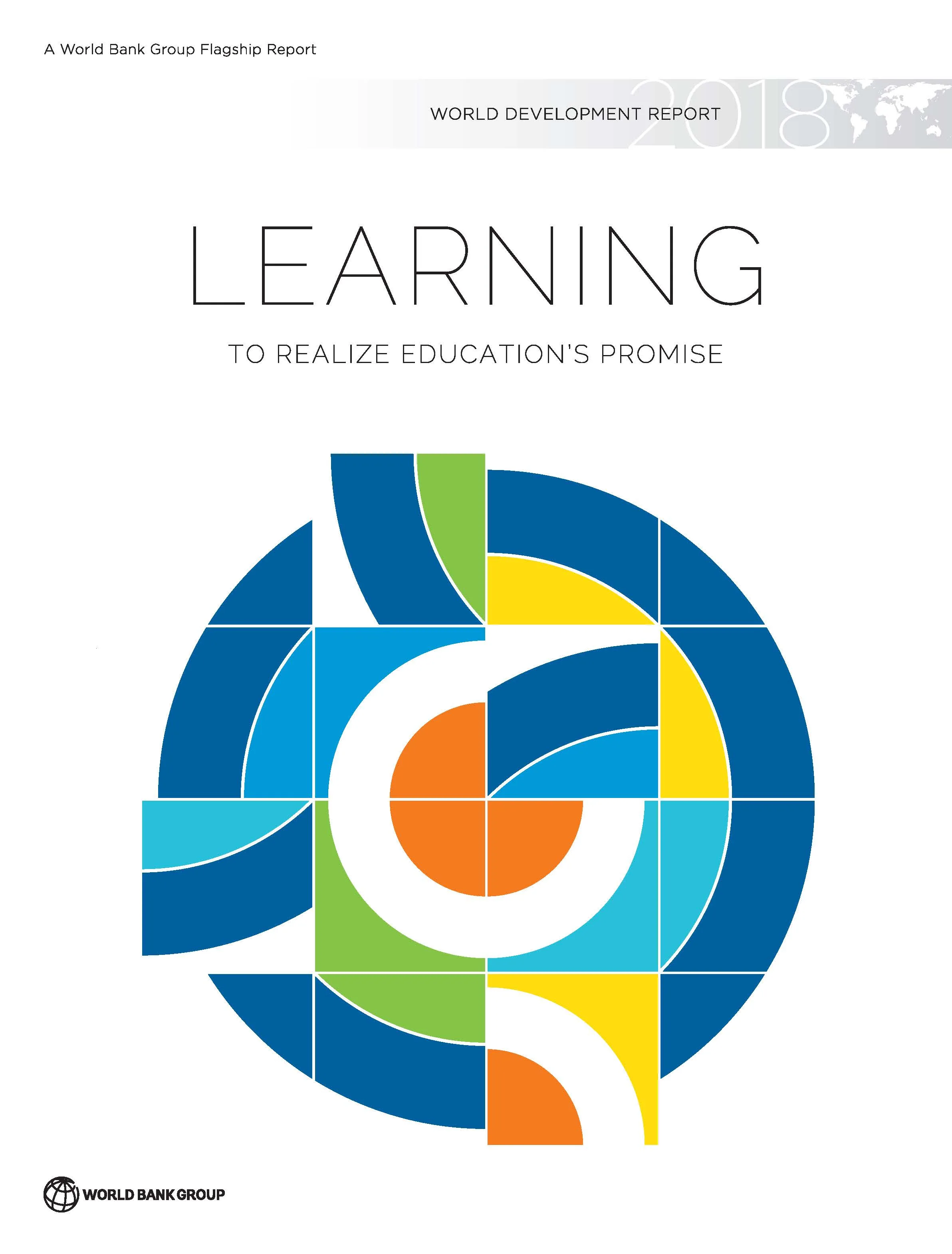
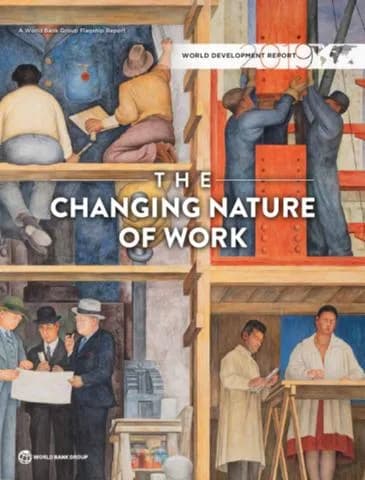
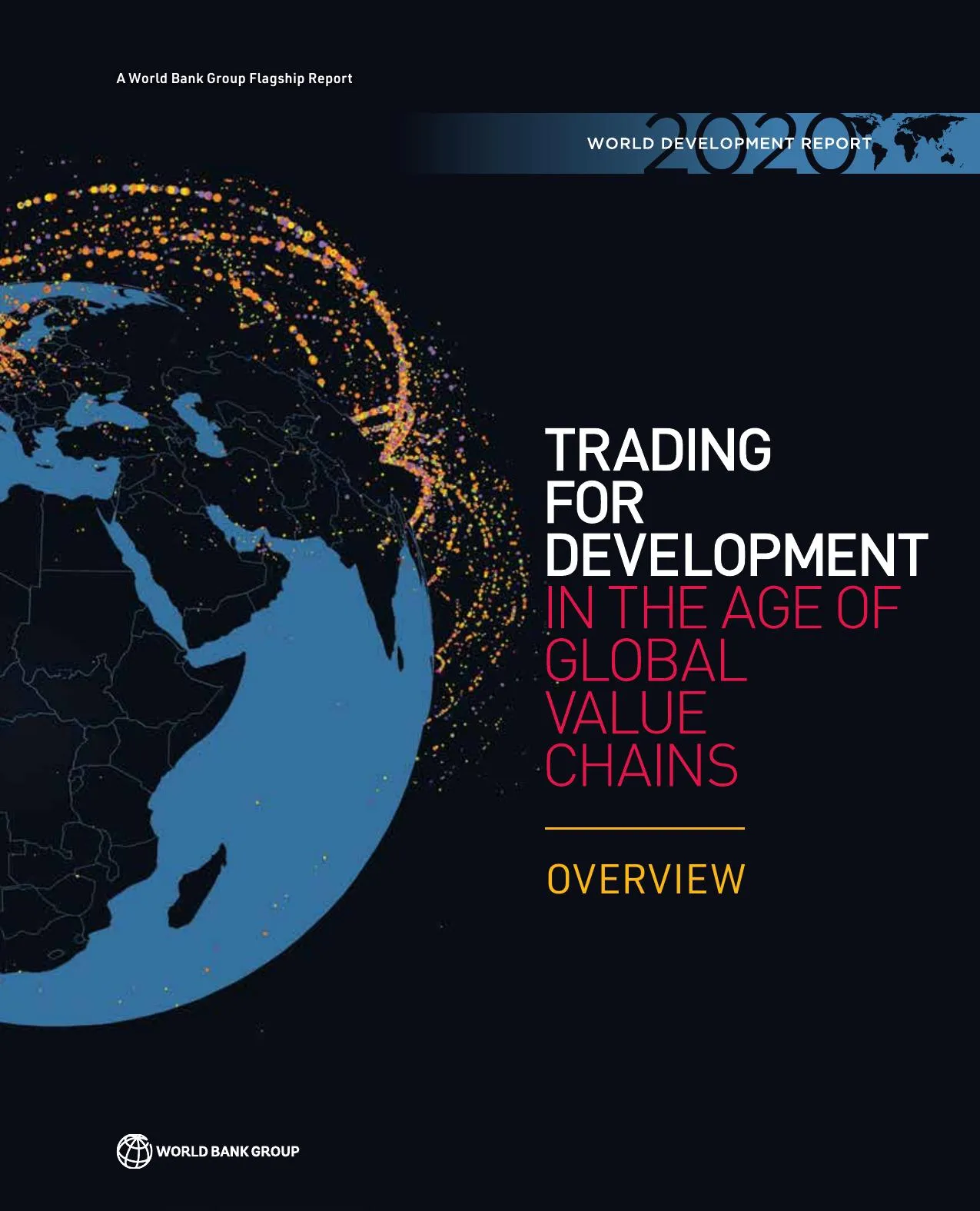
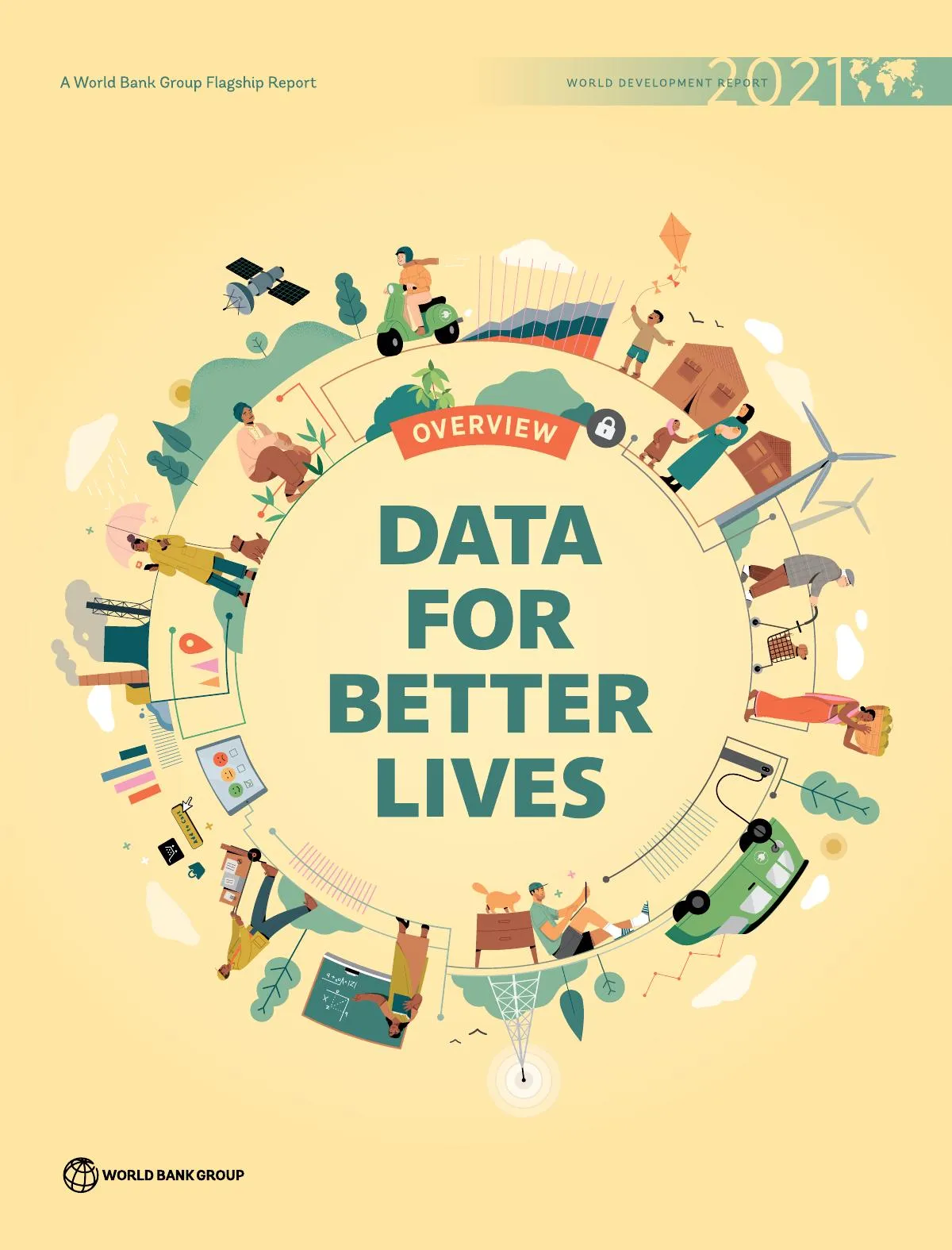
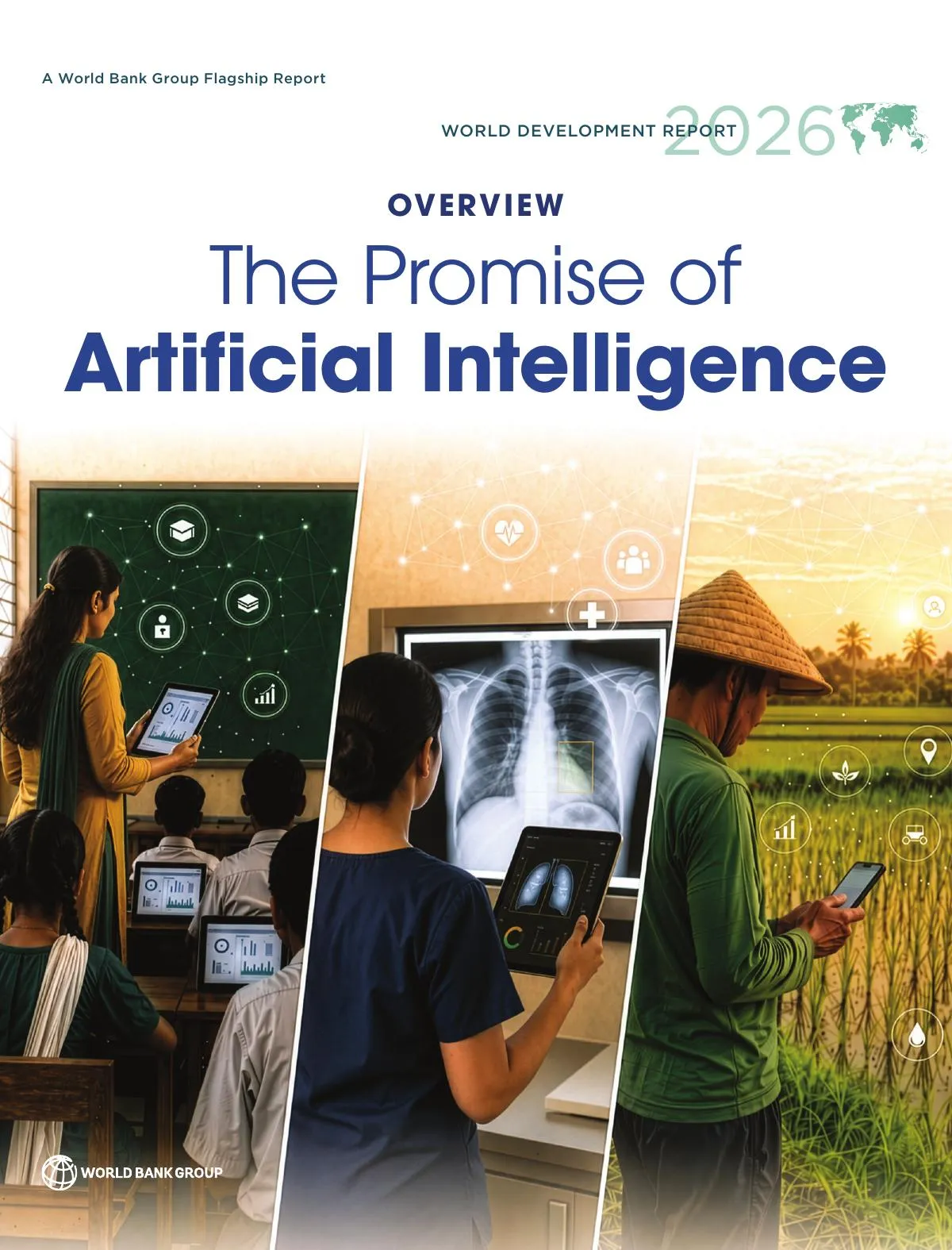
The World Development Report is the World Bank’s flagship research series, shaping the global development agenda. Each report brings together leading economists to synthesize the latest evidence on the world’s most pressing development challenges. The Growth Academy provides participants with direct access to the ideas, and many of the economists, behind the reports. Browse the collection to explore each report’s overview.
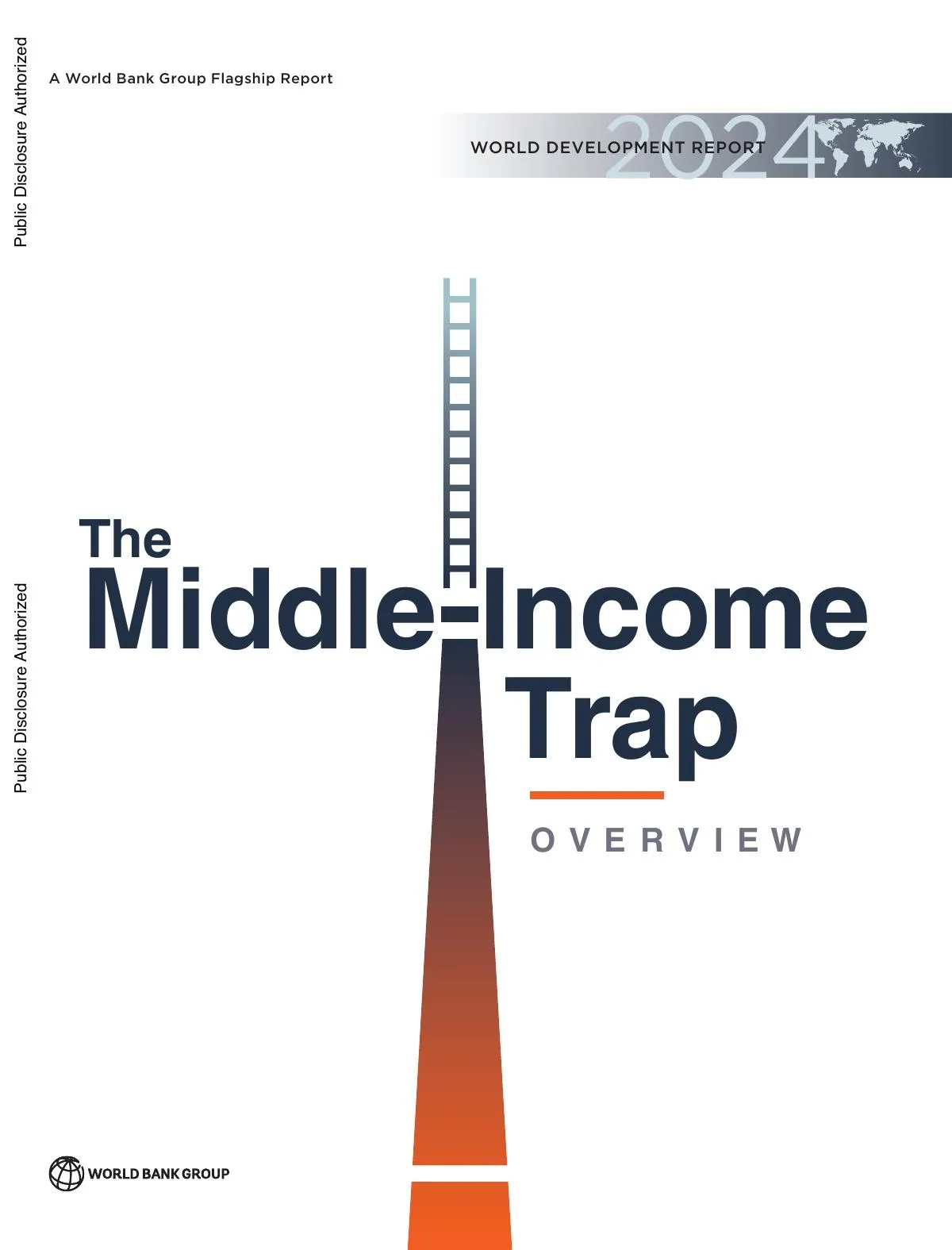
World Development Report 2024 - A World Bank Group Flagship Report
Director: Somik V. Lall.Academic Lead: Ufuk Akcigit.Report manager: Joyce Antone Ibrahim.Sponsored by: The Development Economics Vice Presidency.
Citation: World Bank. 2024. World Development Report 2024: The Middle-Income Trap. Washington, DC: World Bank. doi:10.1596/978-1-4648-2078-6.
The Bank counts 108 countries as middle-income. They are home to three out of every four people on the planet and produce about 40 percent of global output, and most of them have stalled. The Report sets out the sequence the few that broke through actually followed: investment, then infusion, then innovation.
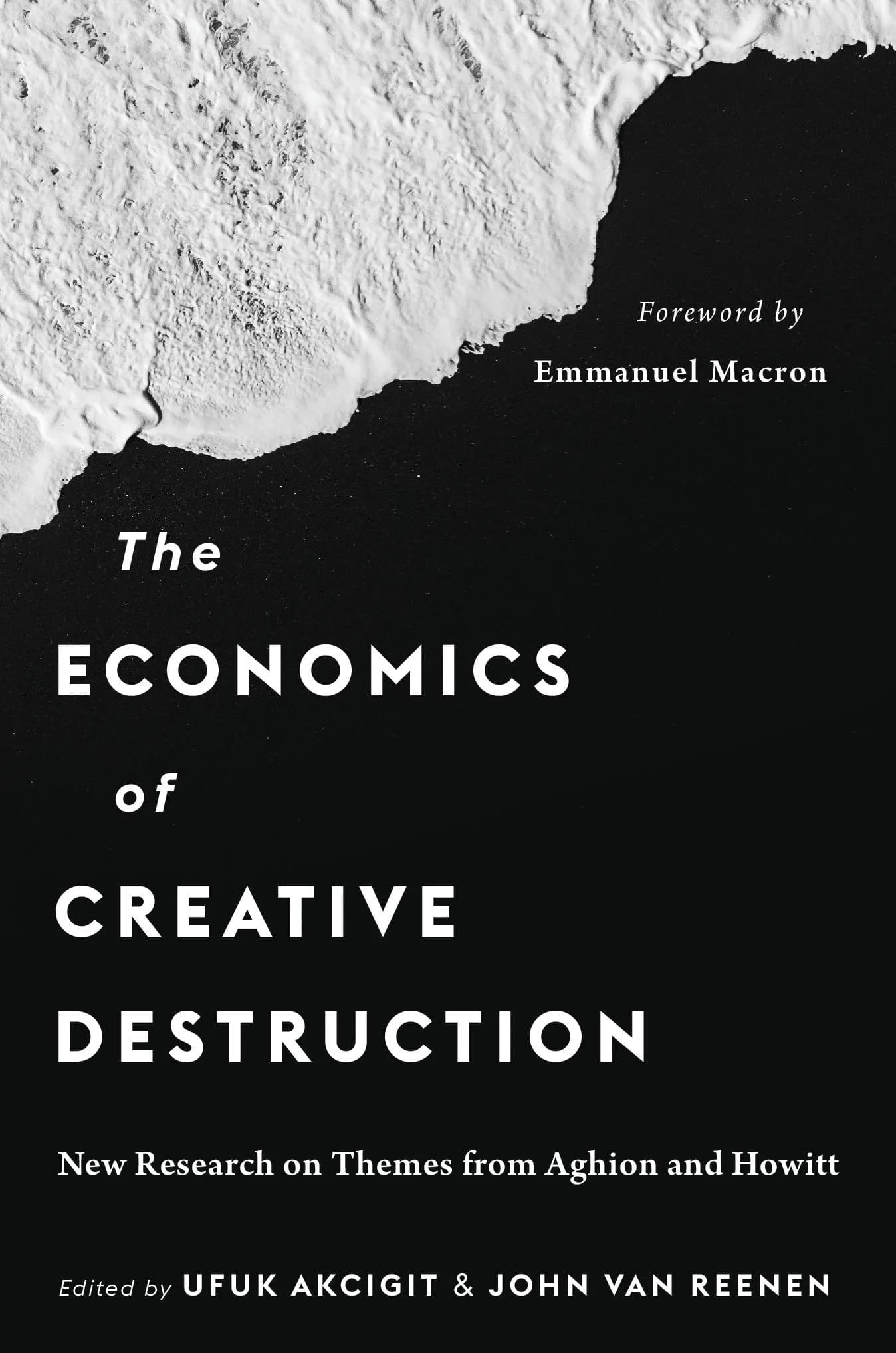
Citation: Akcigit, Ufuk, and John Van Reenen, eds. The Economics of Creative Destruction: New Research on Themes from Aghion and Howitt. Cambridge, MA: Harvard University Press, 2023. ISBN 9780674270367
A world-leading group of economists asks how creative destruction can restart growth and share its gains more fairly, tracing what the idea now explains about monopoly, inequality, climate, and regulation. It gathers cutting-edge work on the concept that Philippe Aghion and Peter Howitt formalized in the 1990s.
Foreword by Emmanuel MacronHarvard University Press · 2023